

1st Joint Event of the RE:T Project
5 February | Maribor, Slovenia
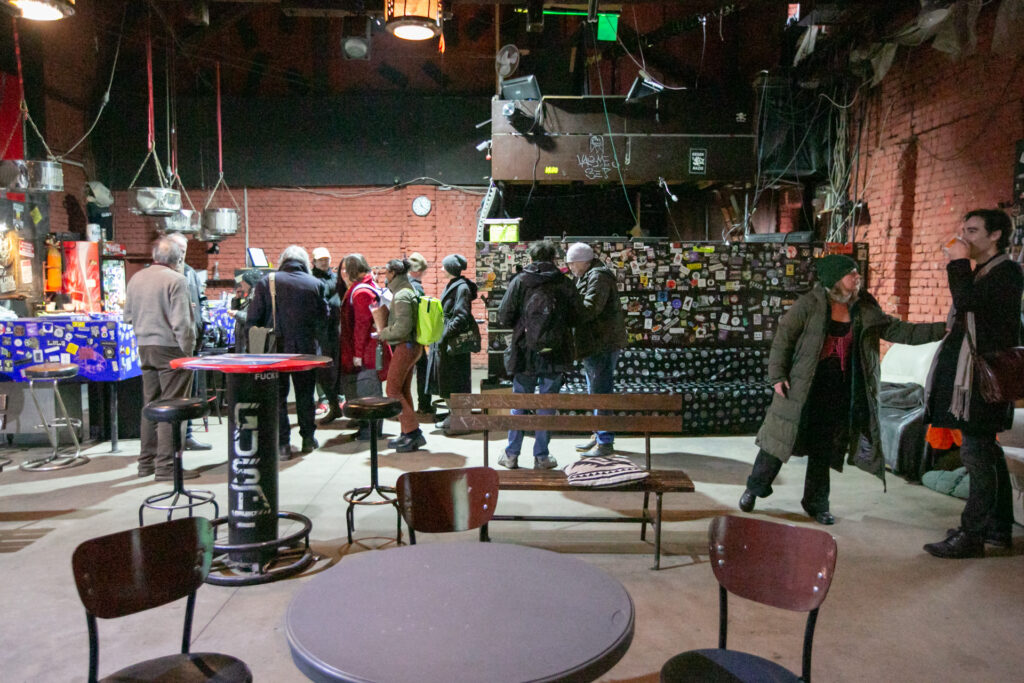
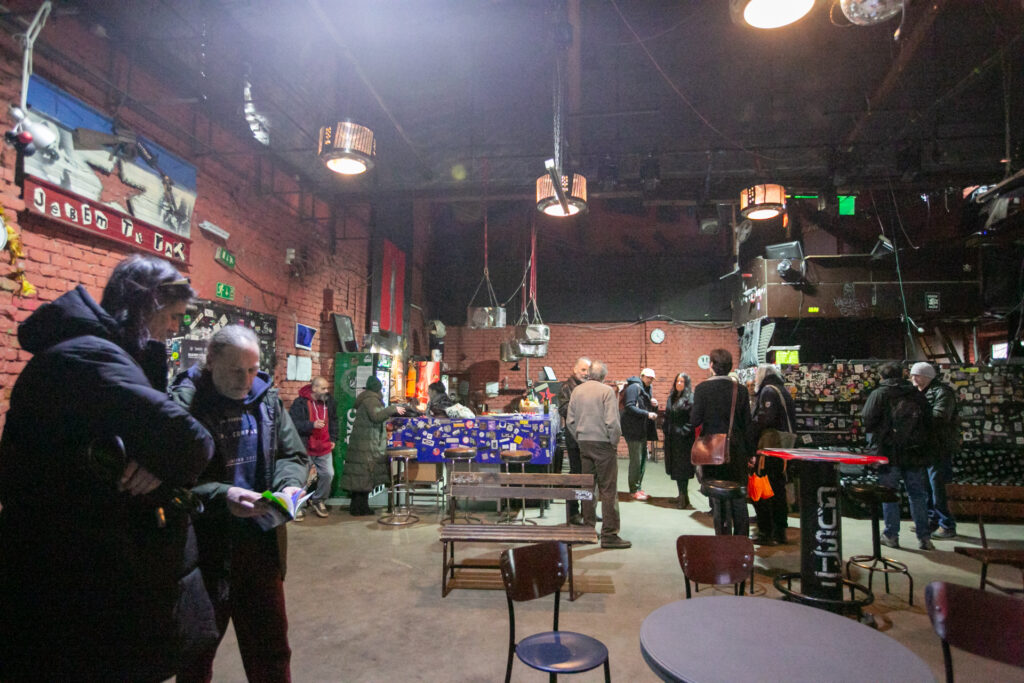
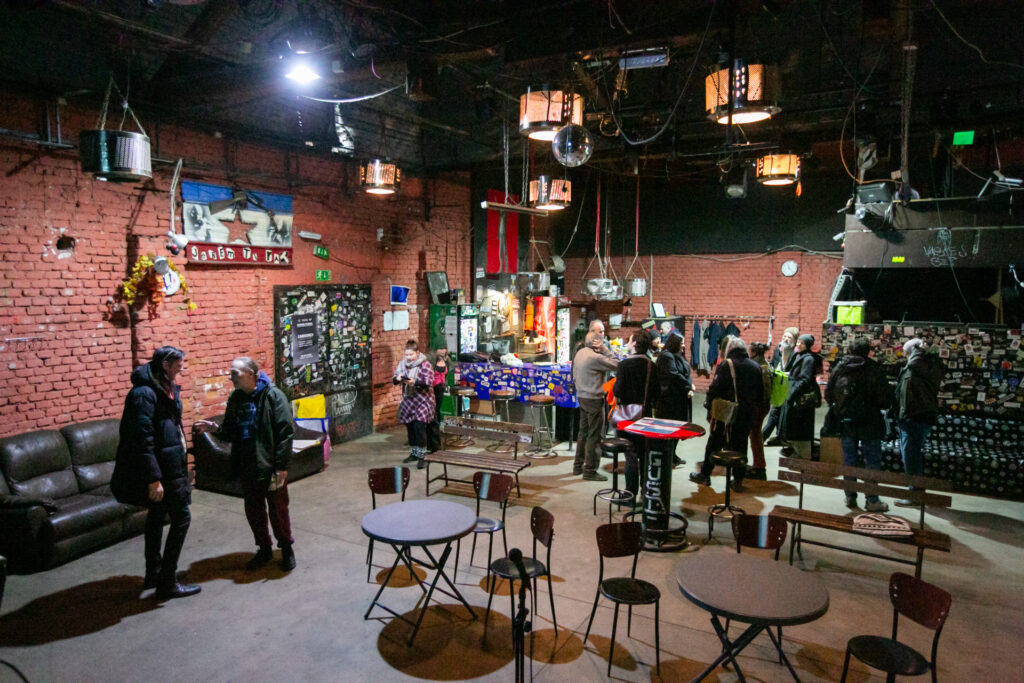
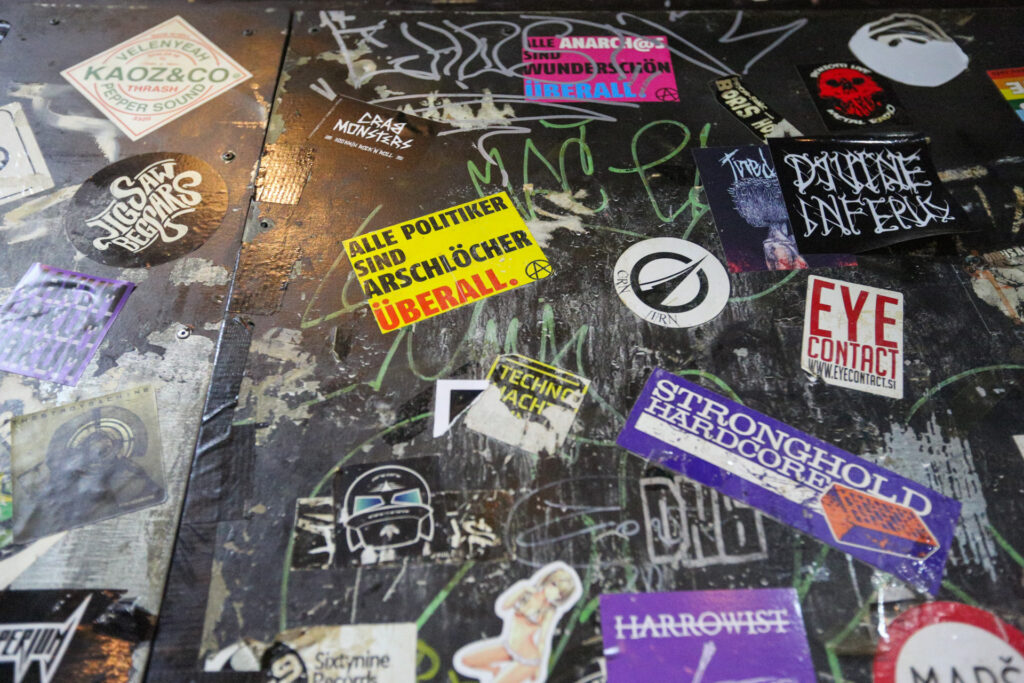
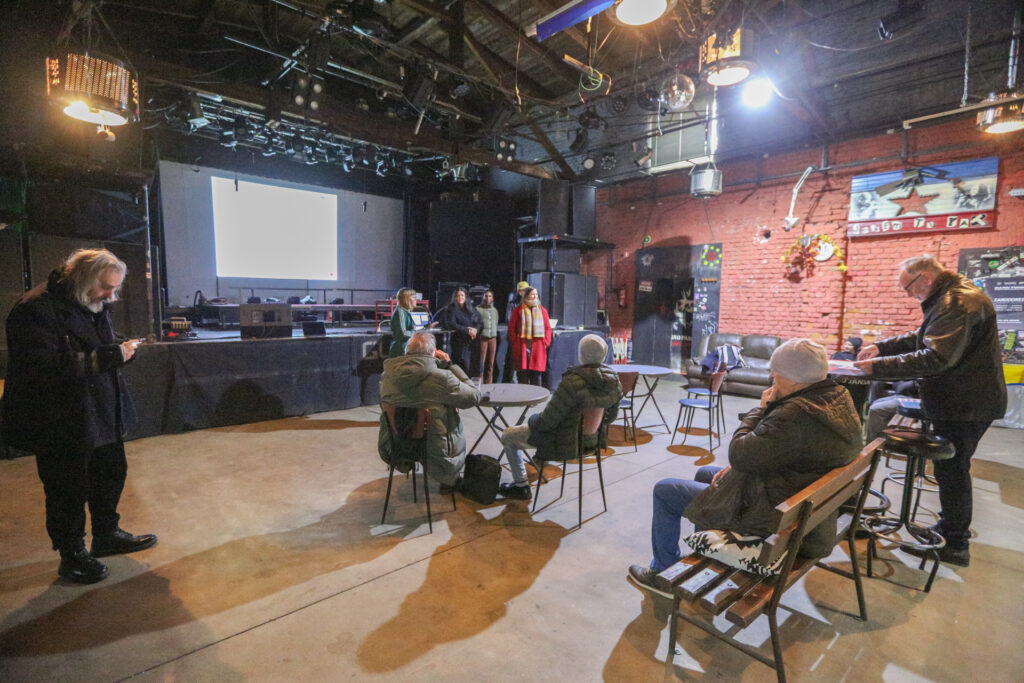
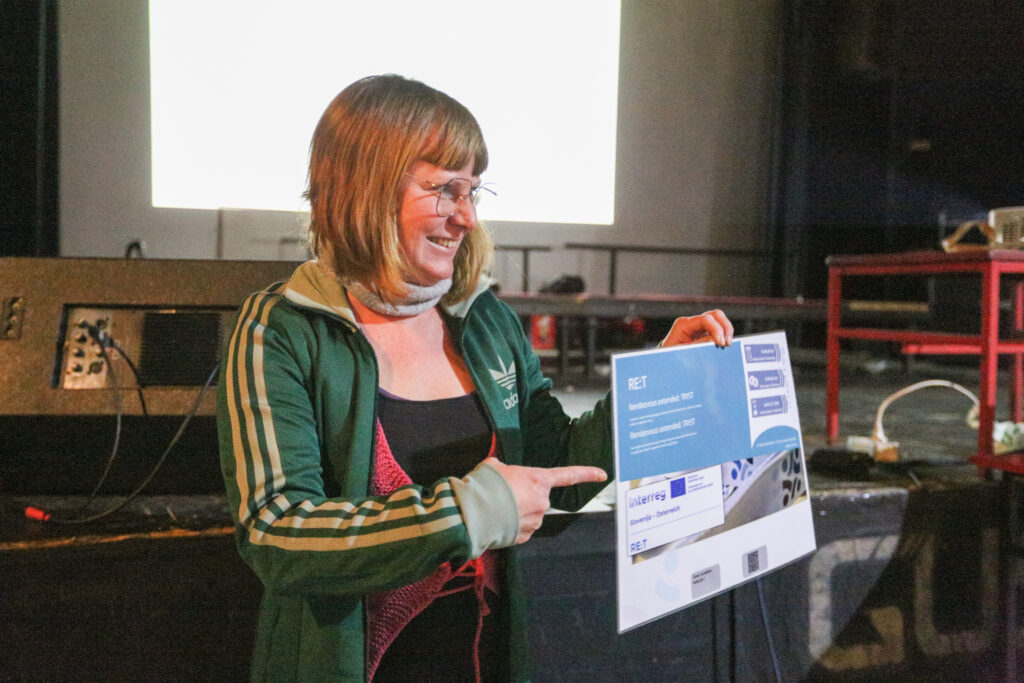
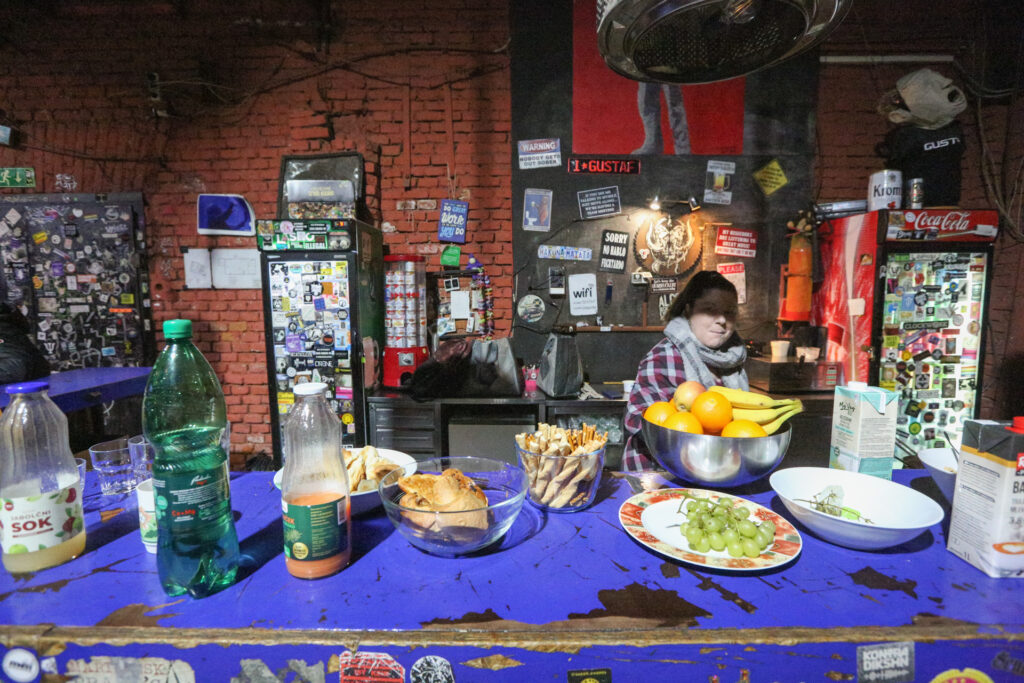
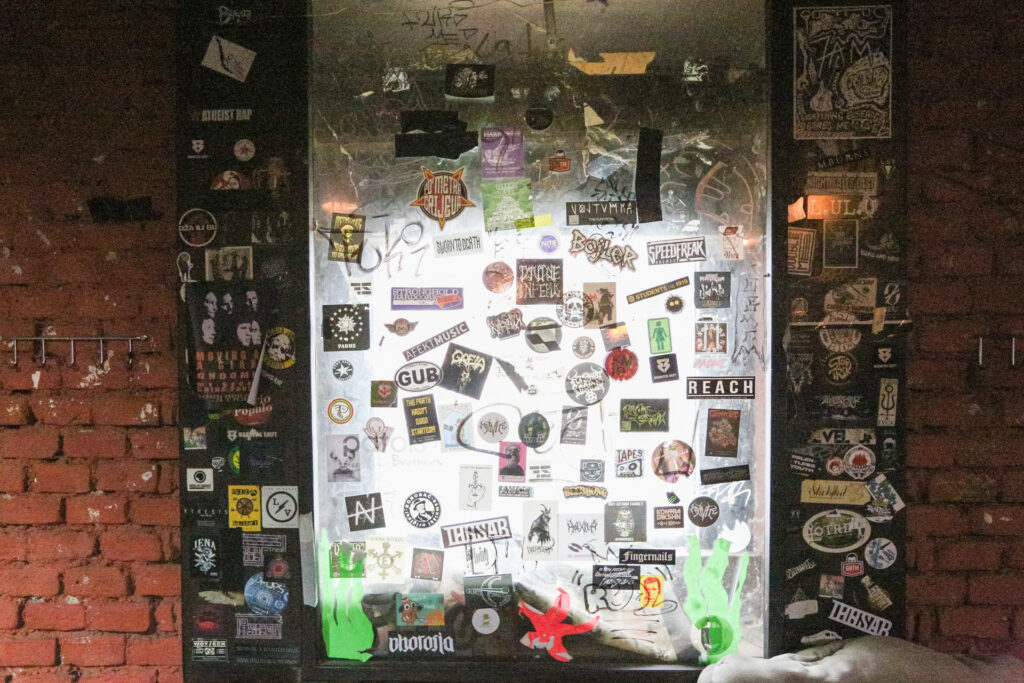
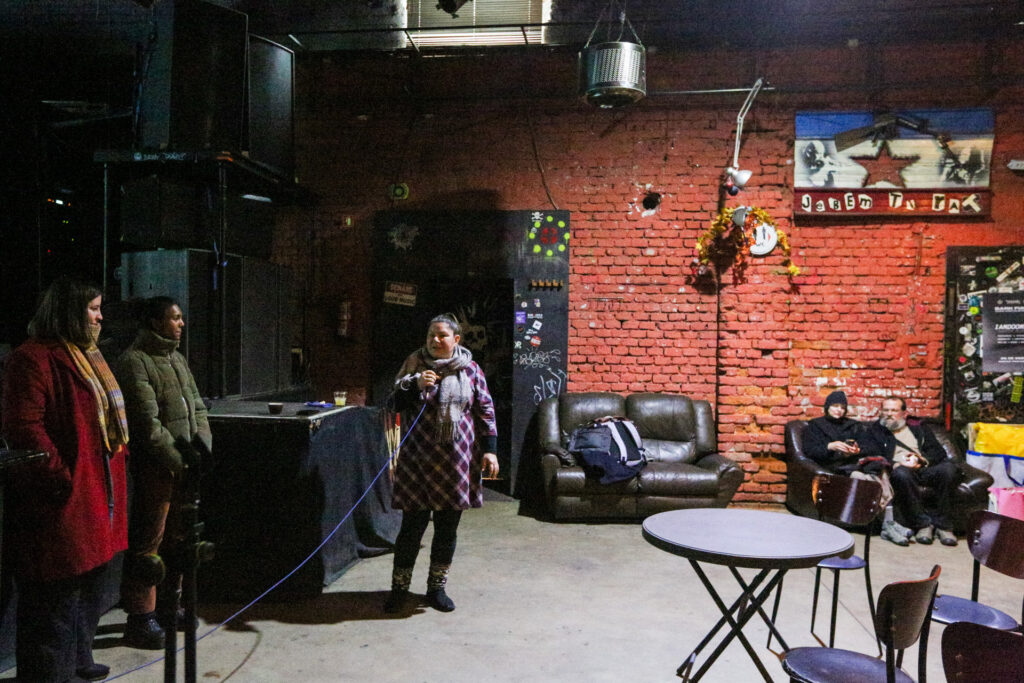
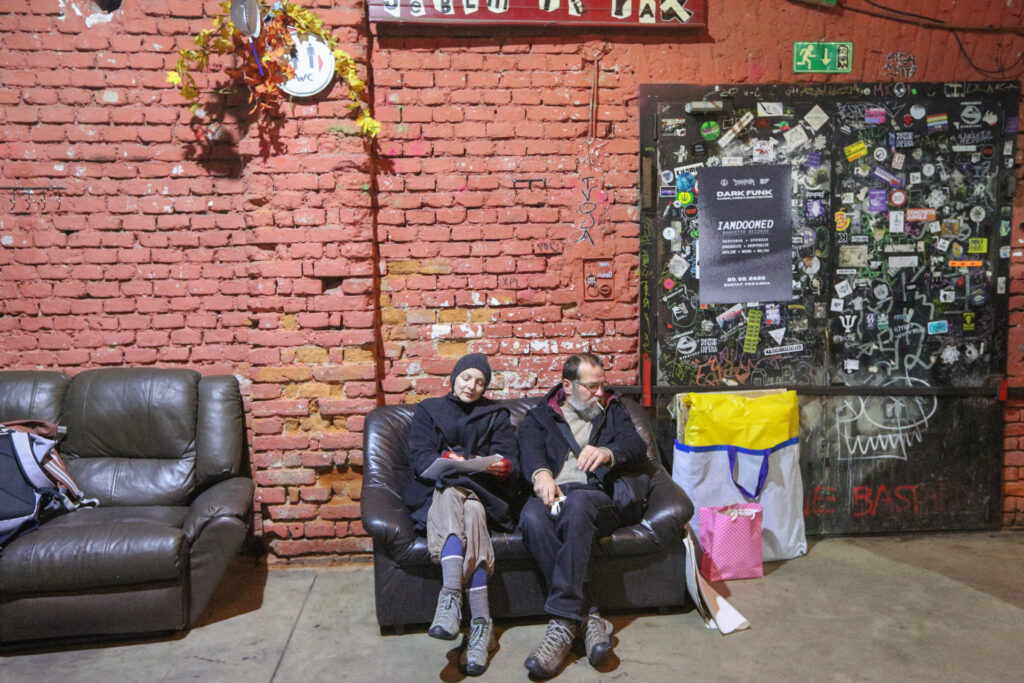
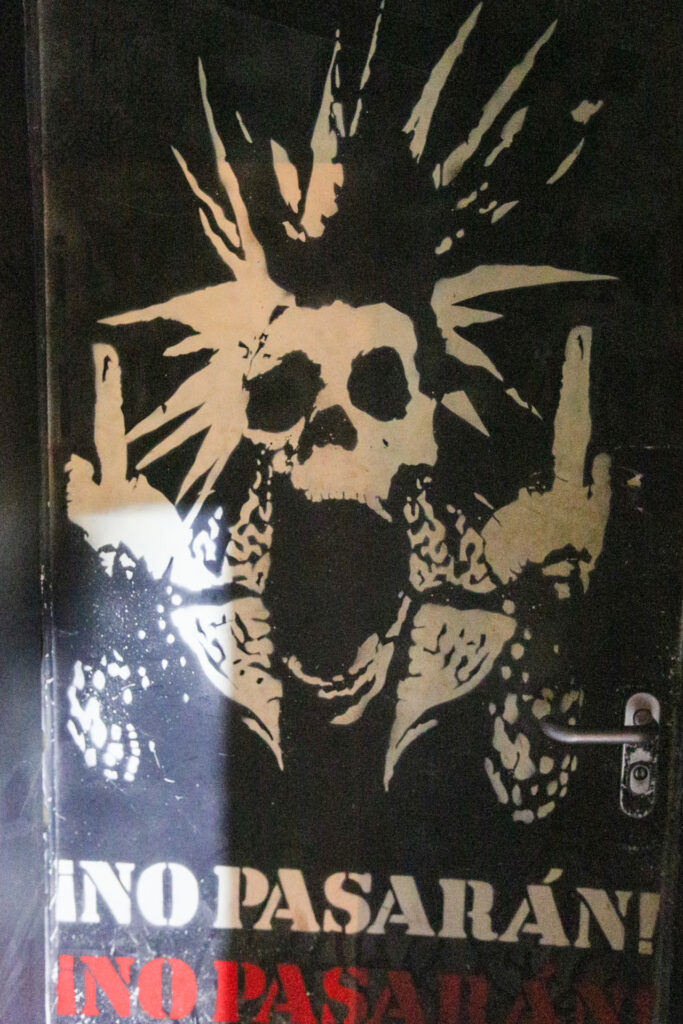
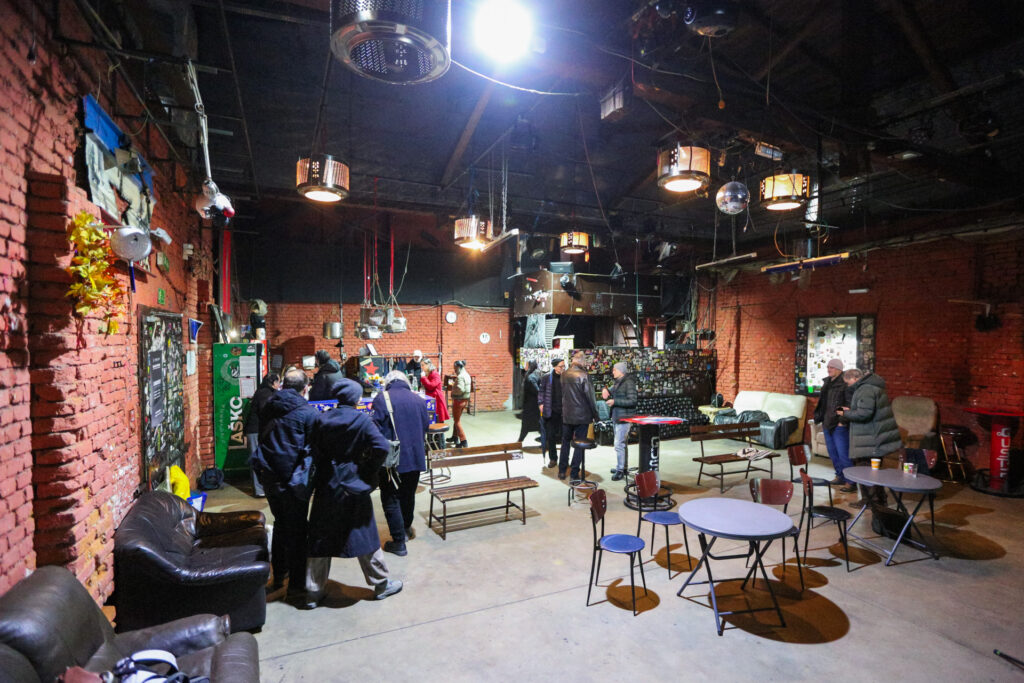
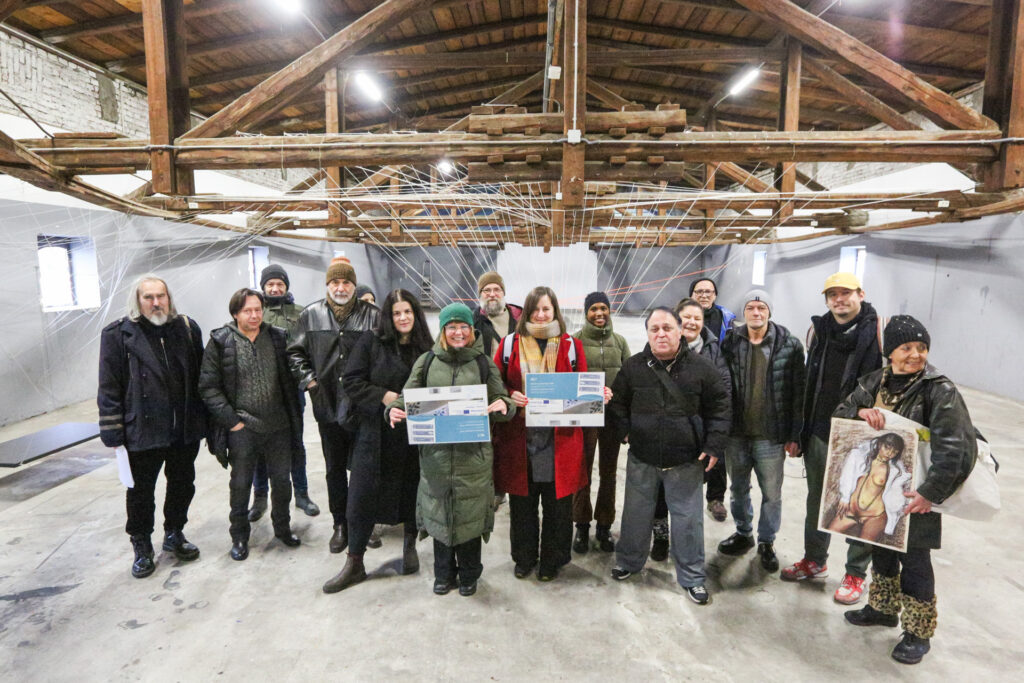
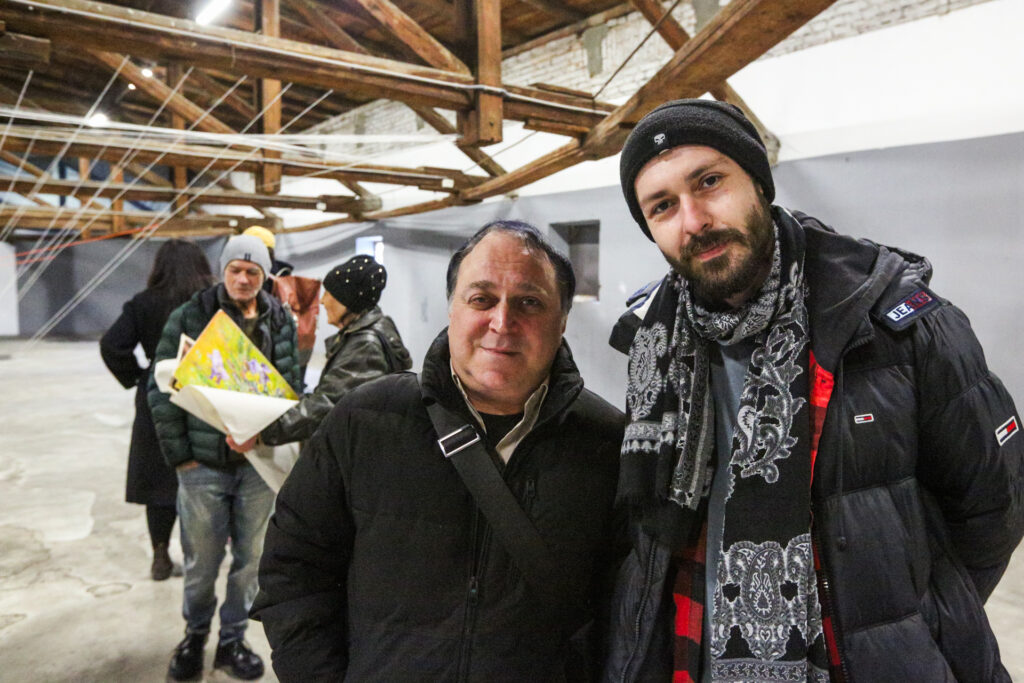
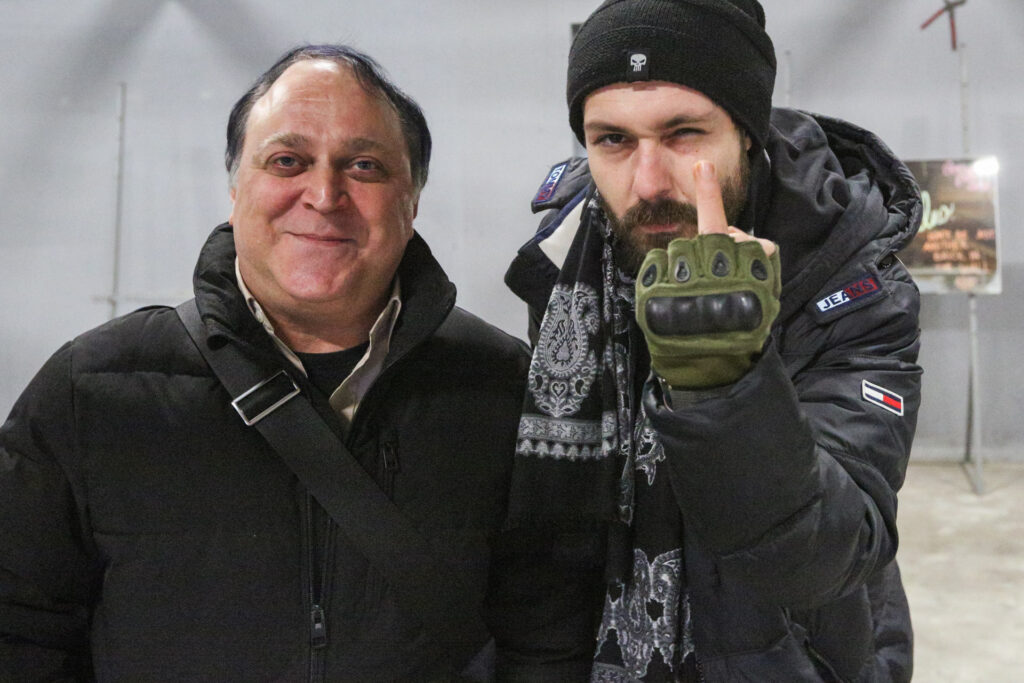
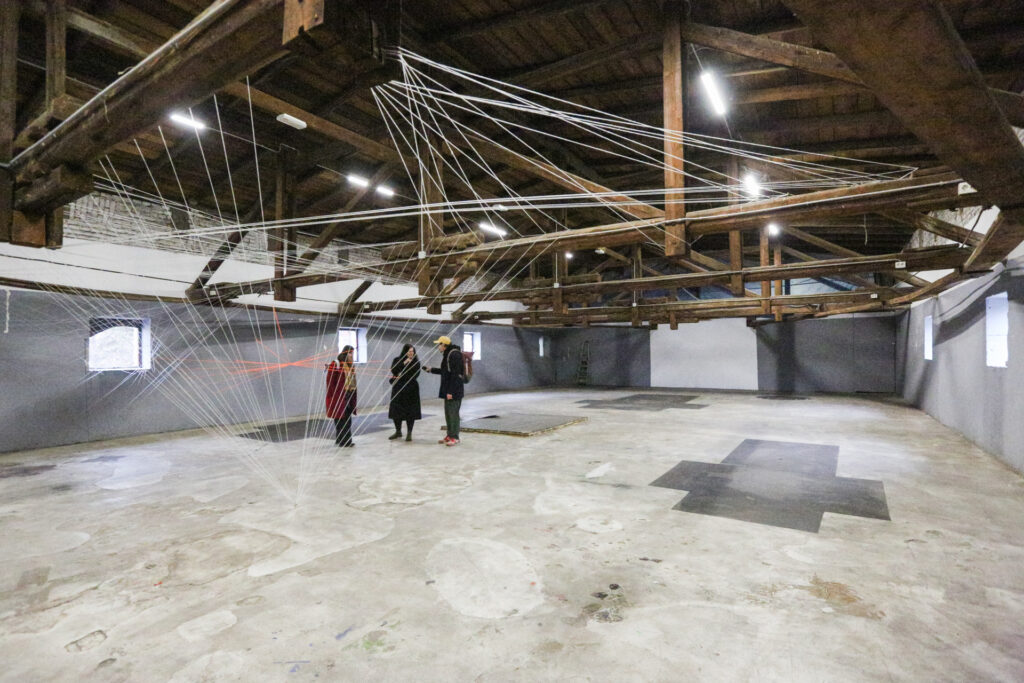
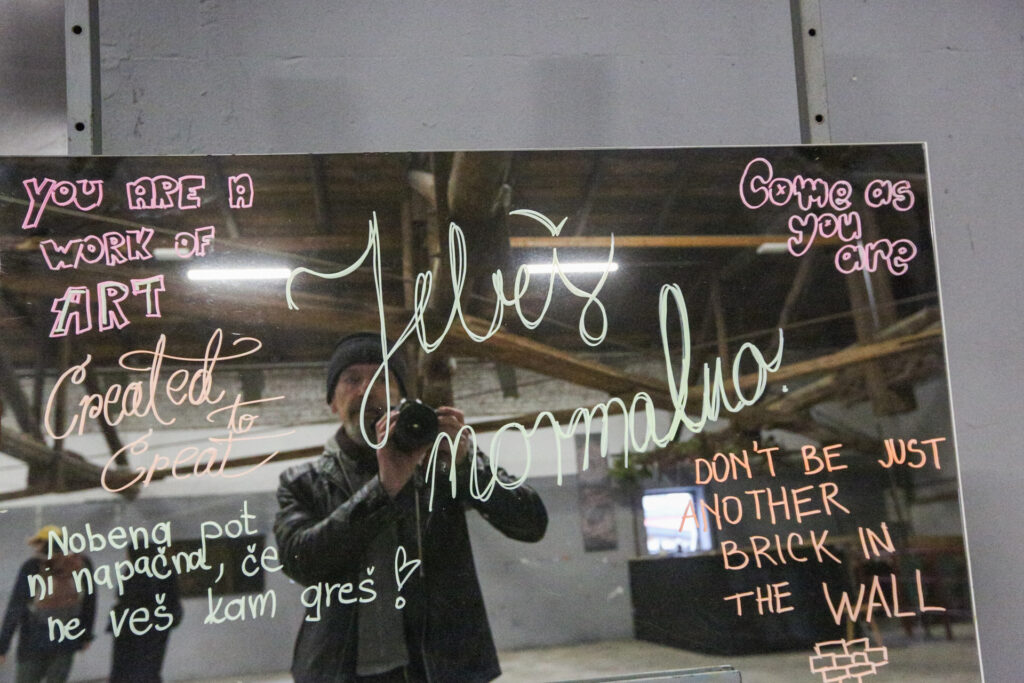
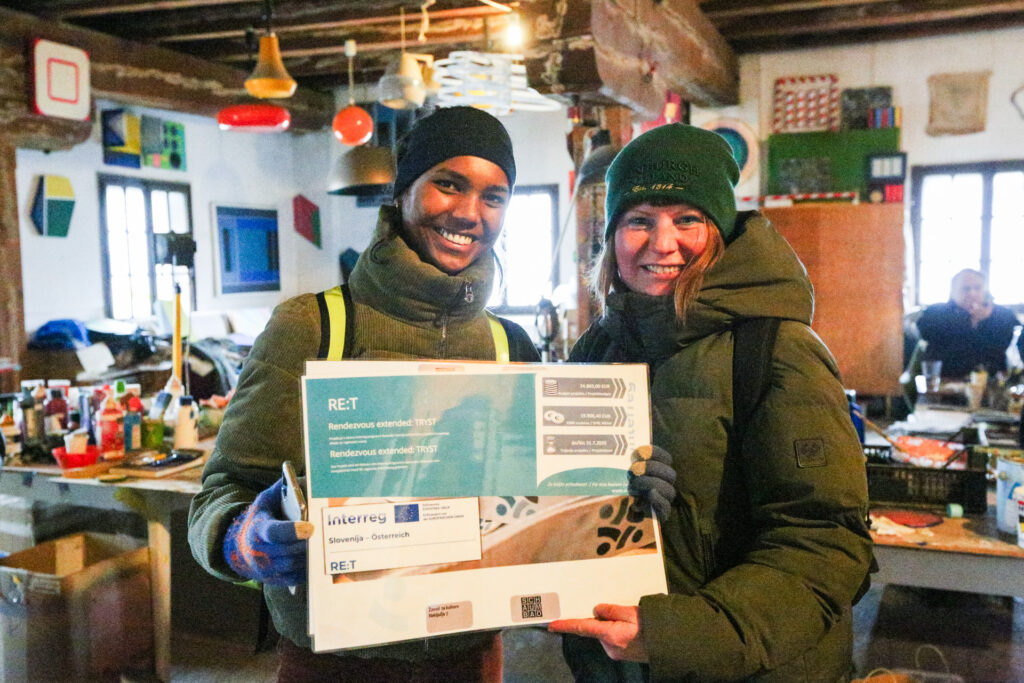
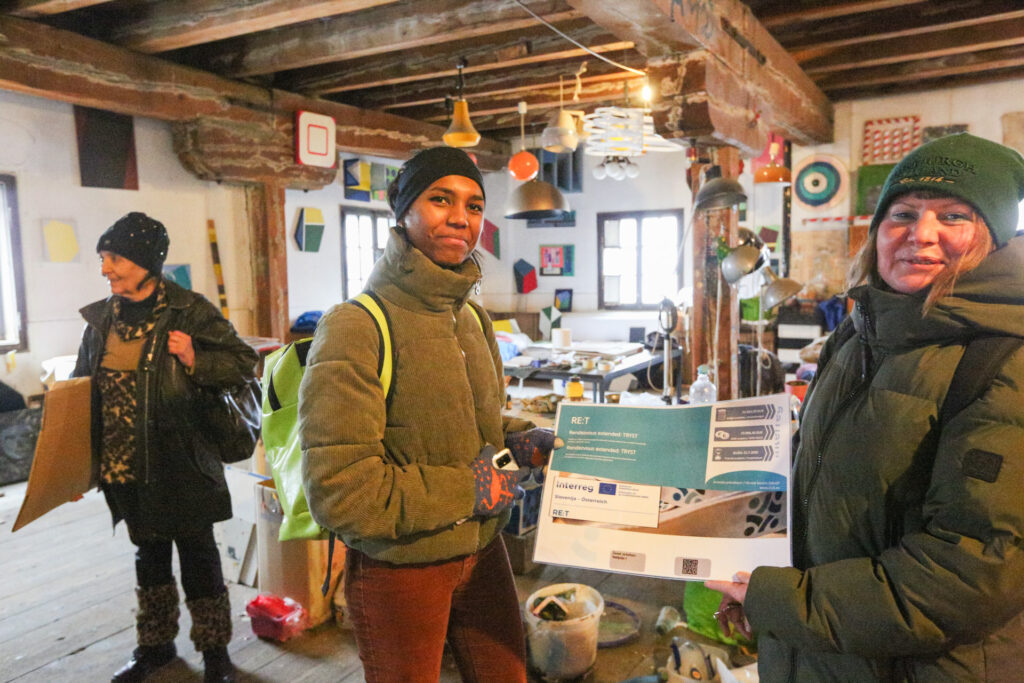
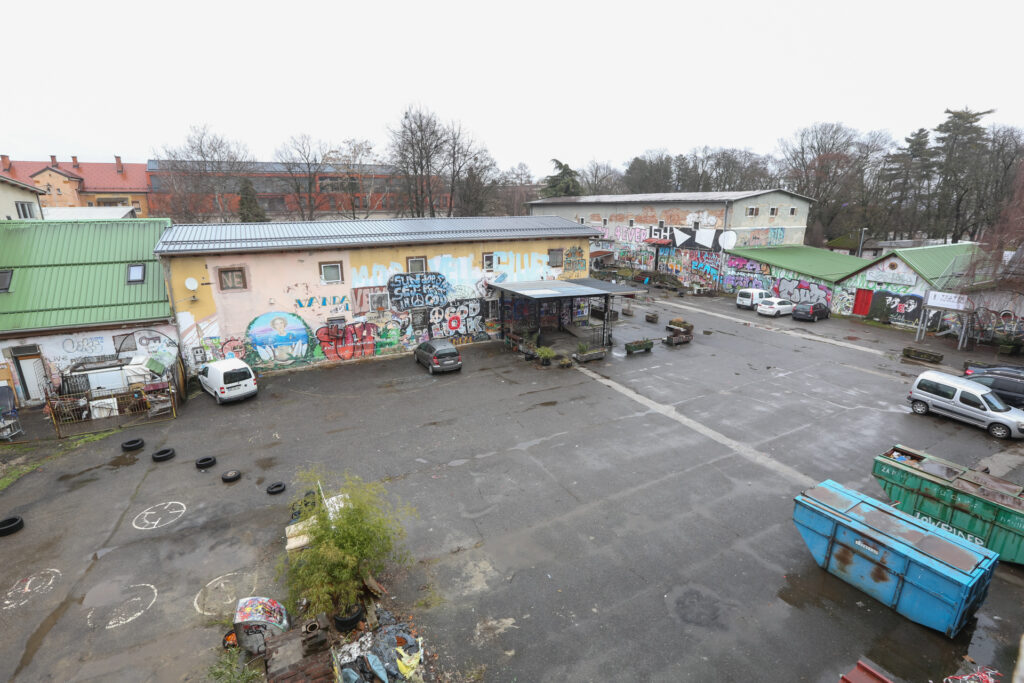
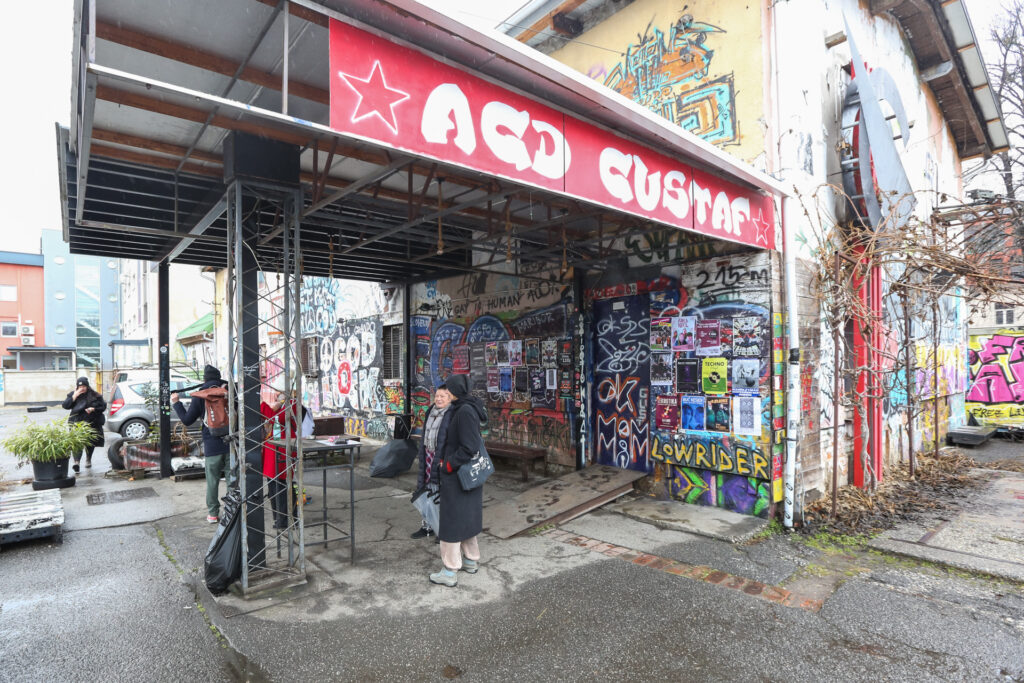
On Thursday, 5 February, Maribor hosted the first joint in-person event of the RE:T Project, bringing together partners from Austria and Slovenia for a full-day programme of presentations, site visits, and in-depth discussions. The meeting took place within the vibrant and historically significant Cultural Centre Pekarna, one of Slovenia’s key independent cultural hubs.
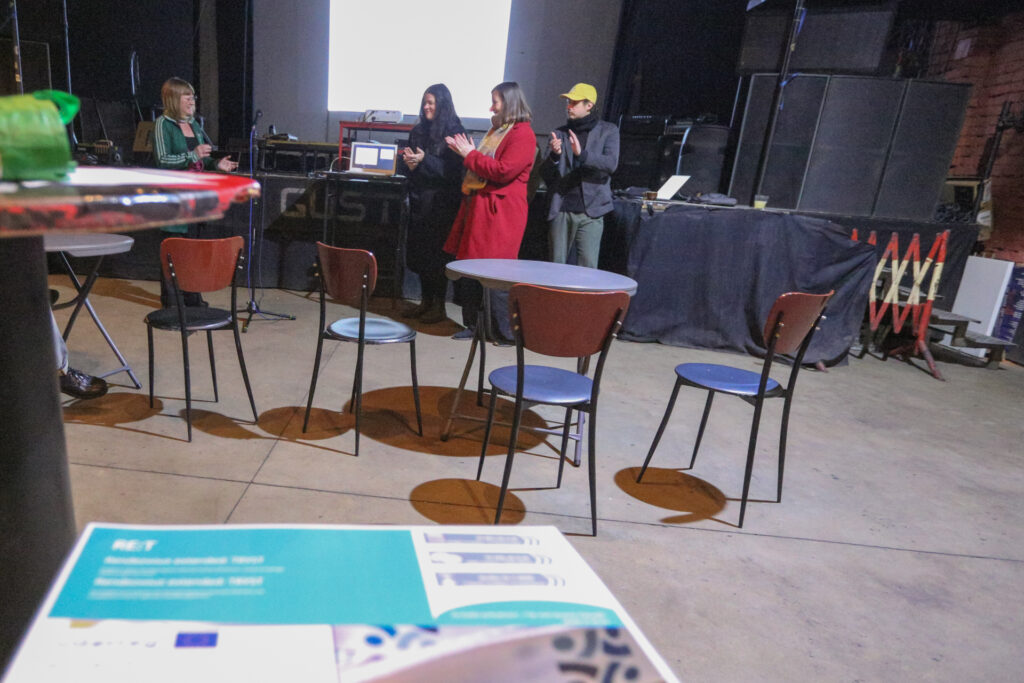
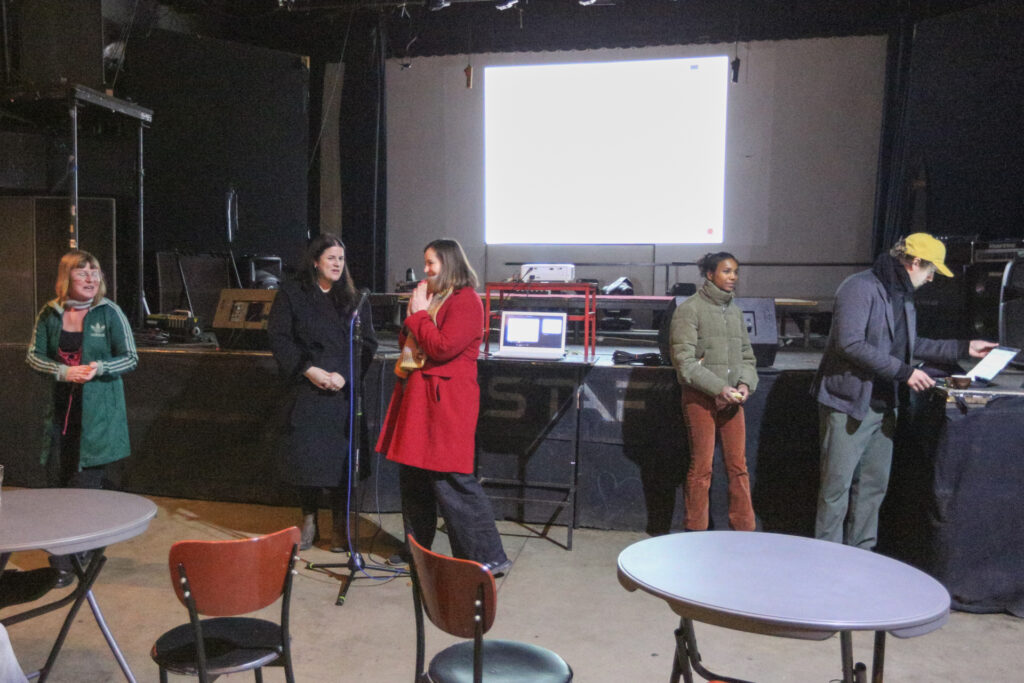
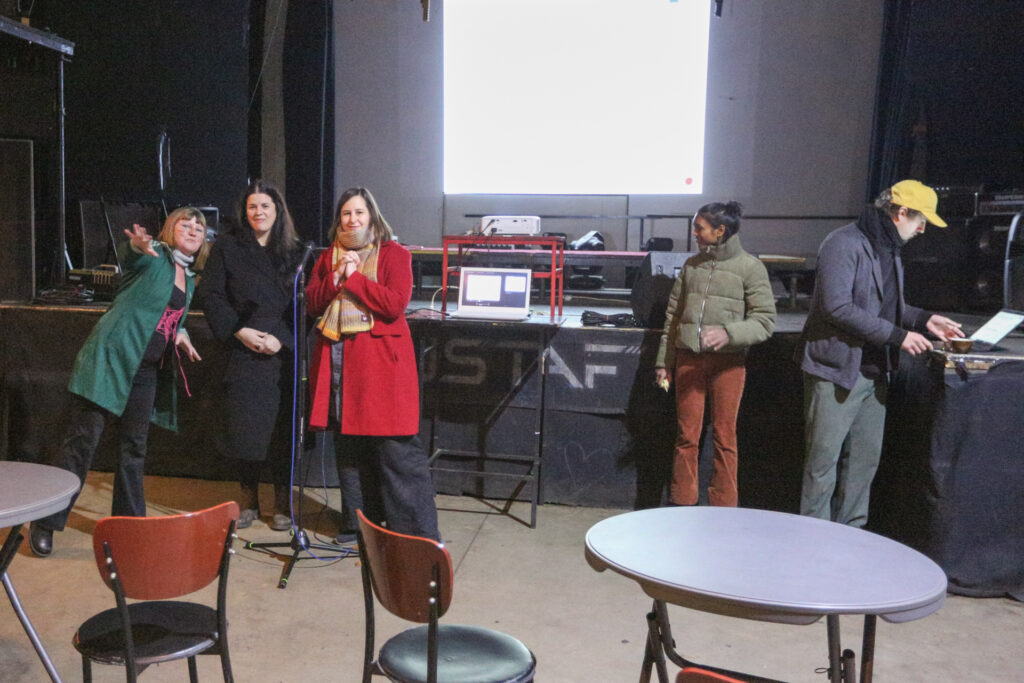
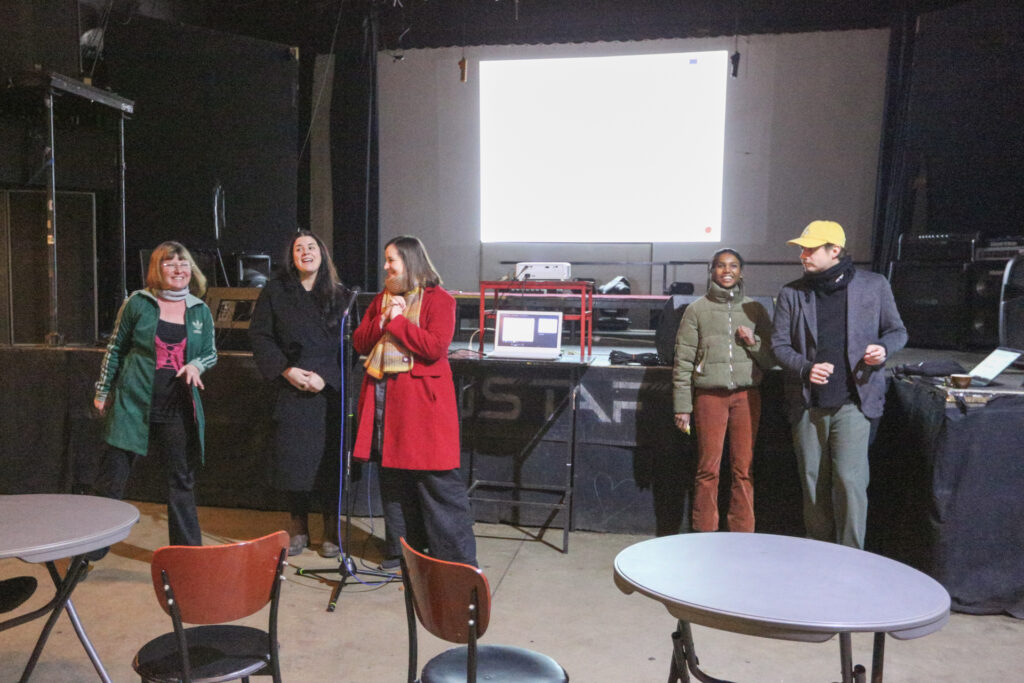
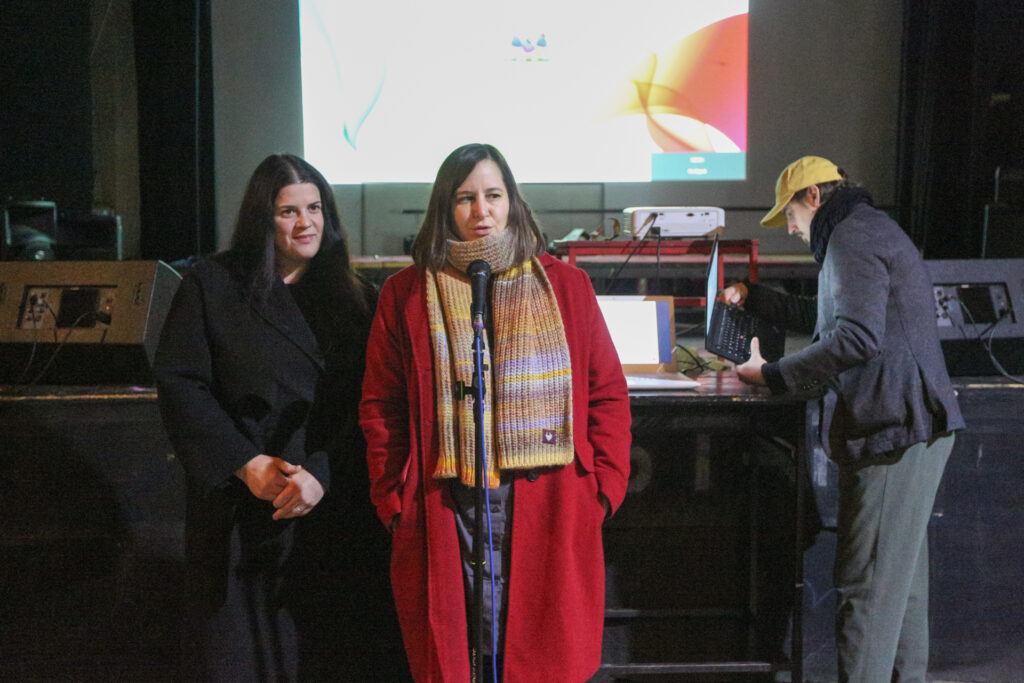
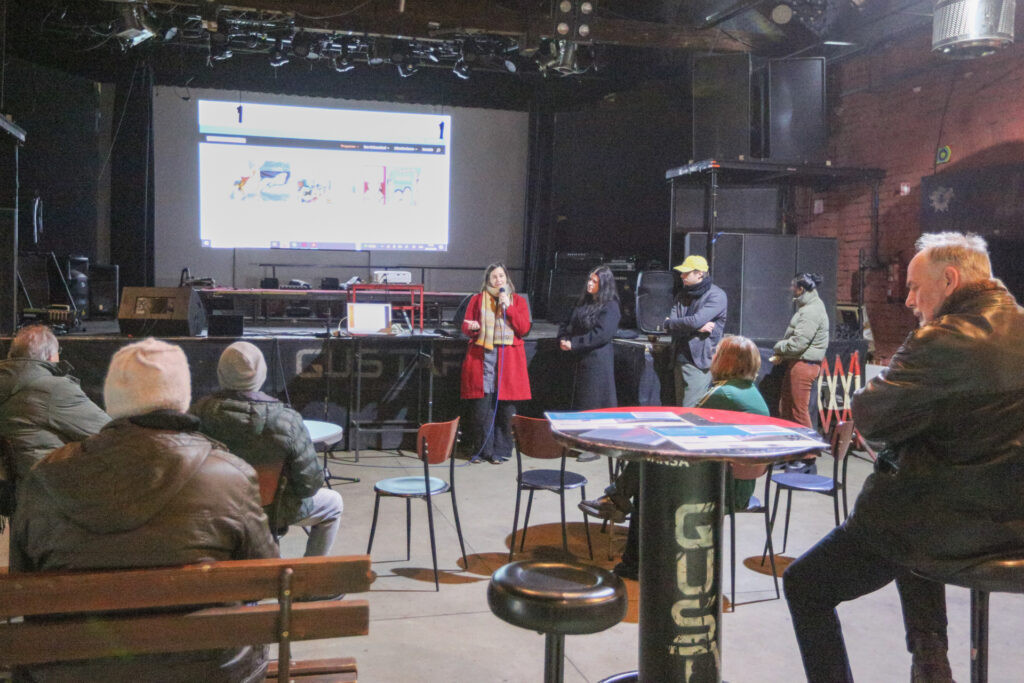
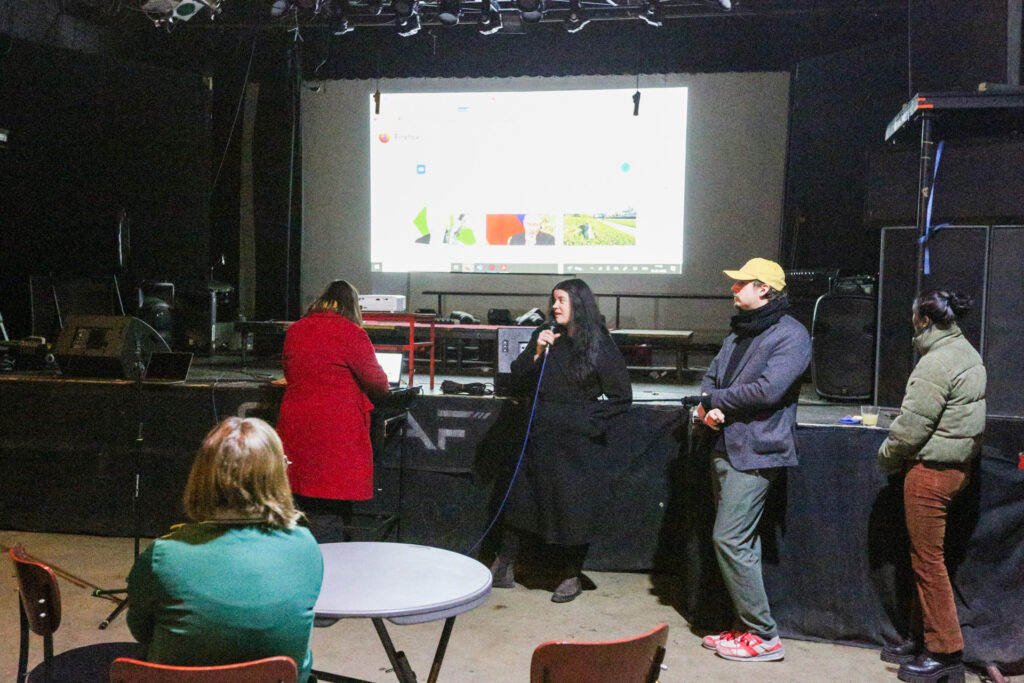
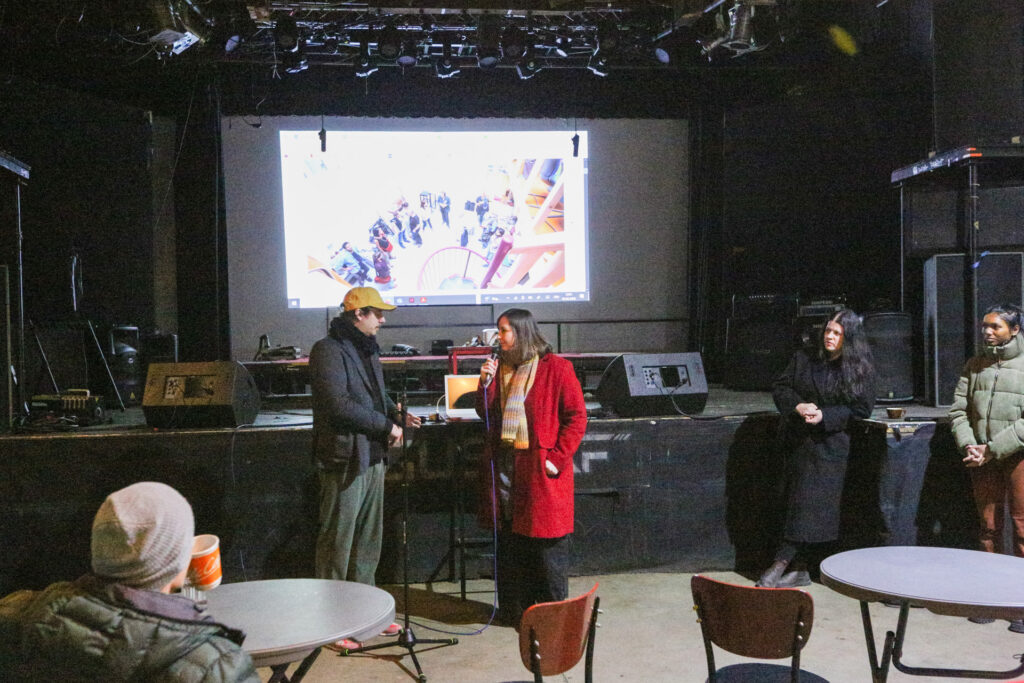
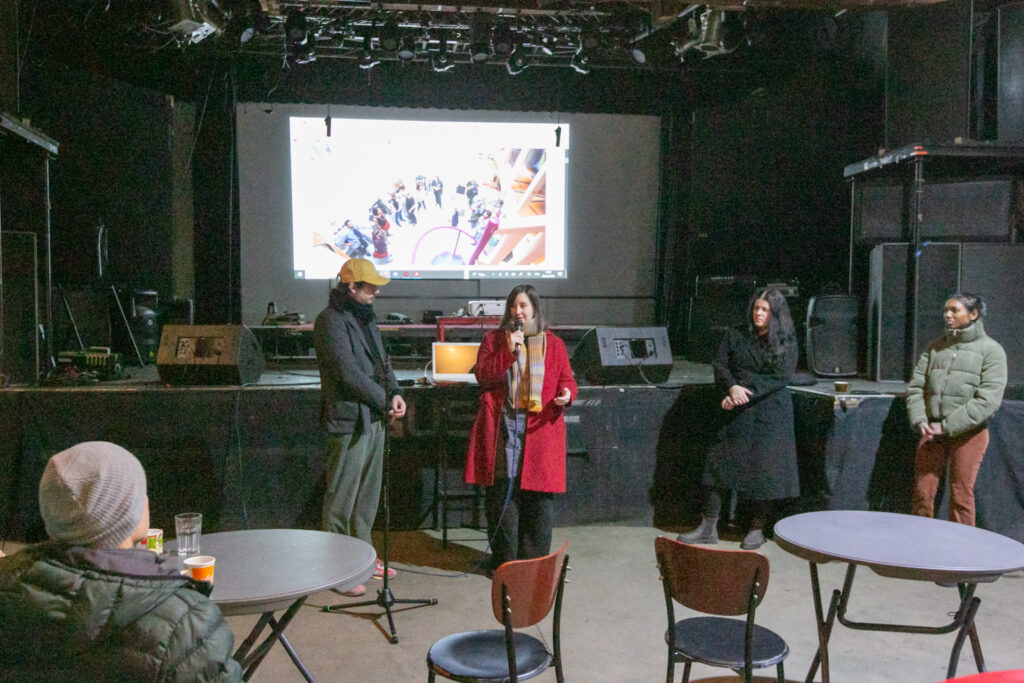
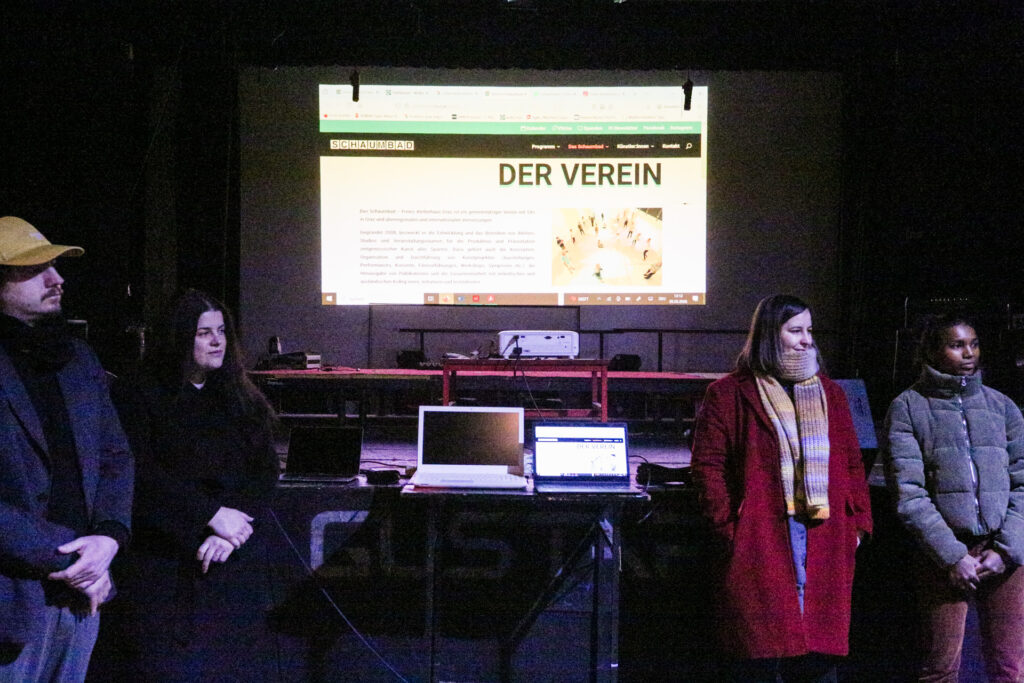
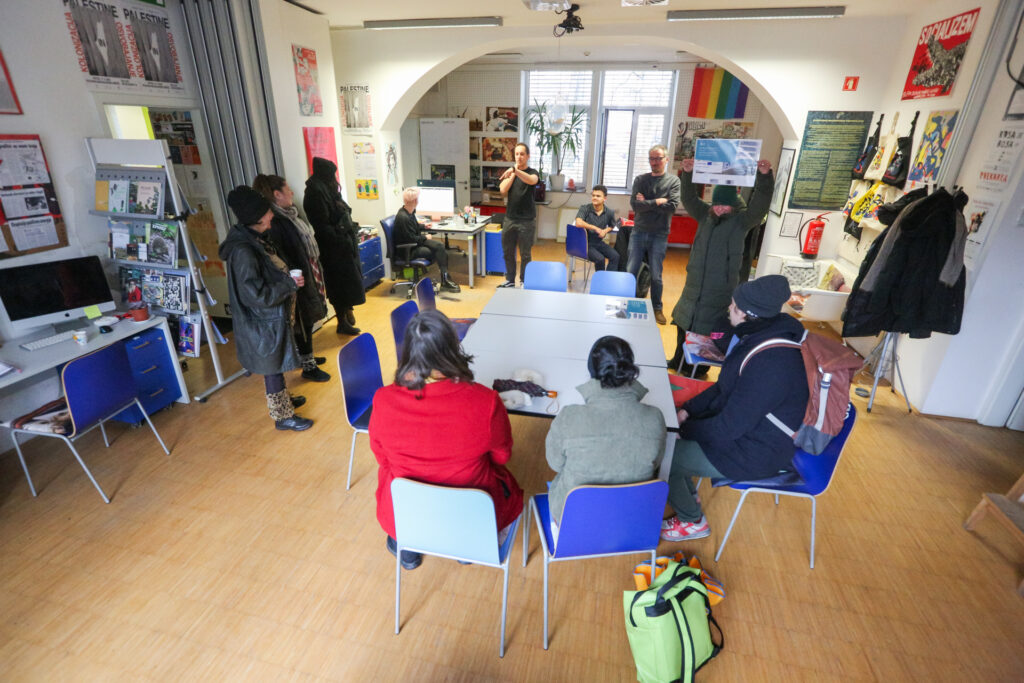
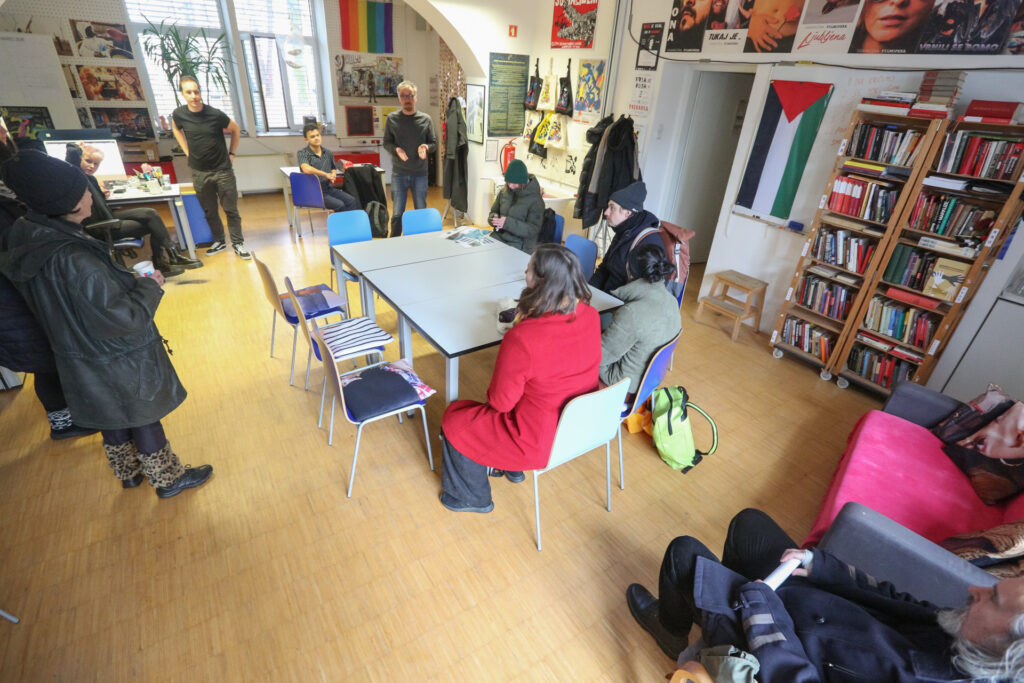
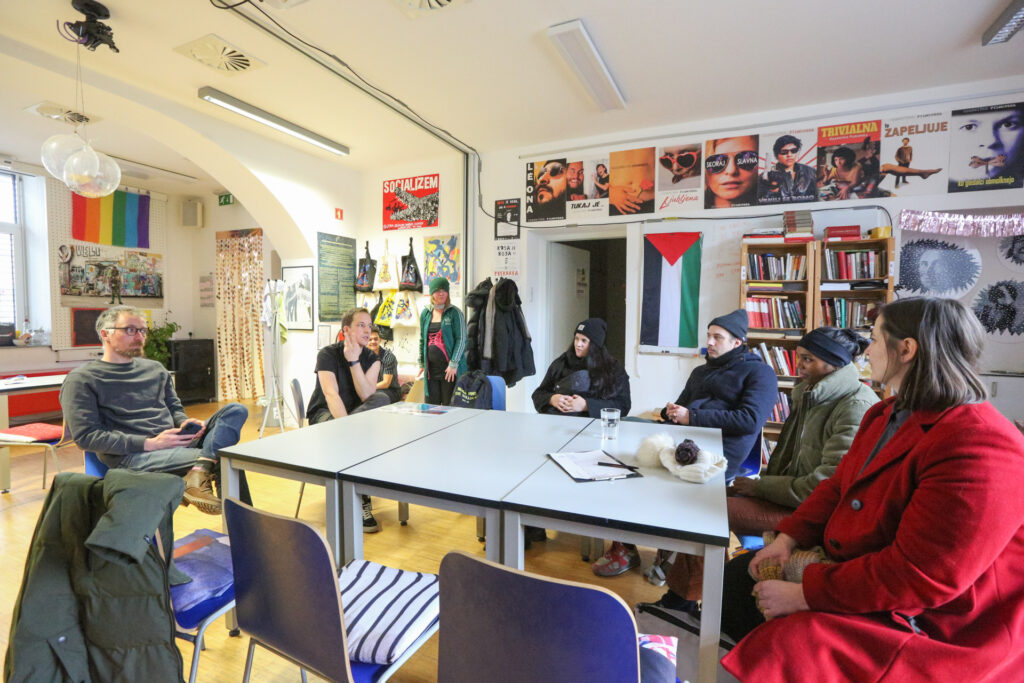
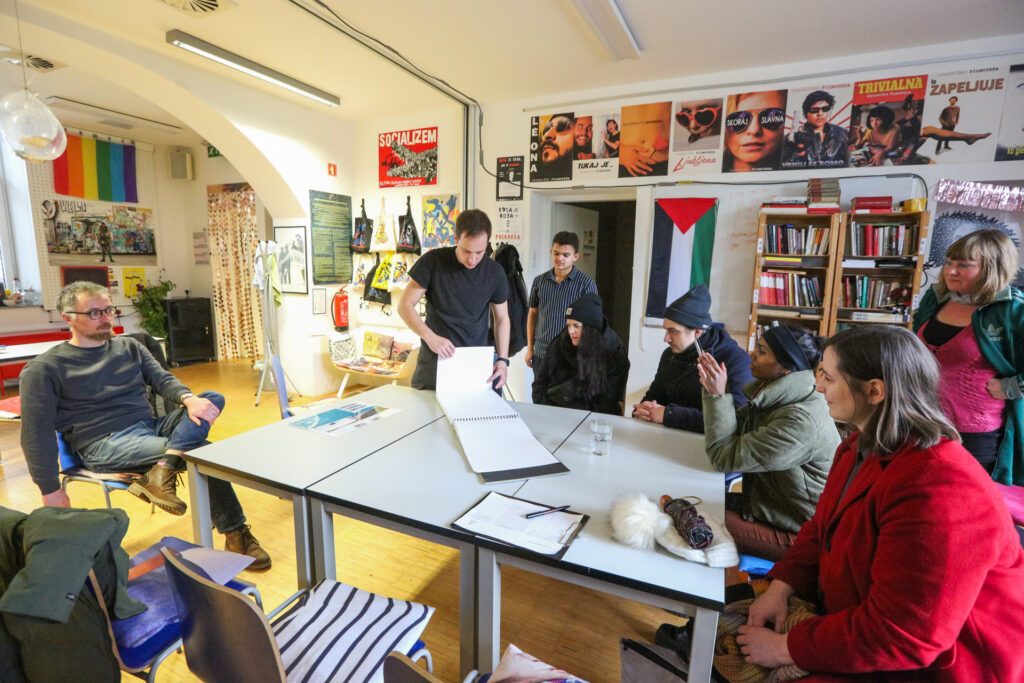
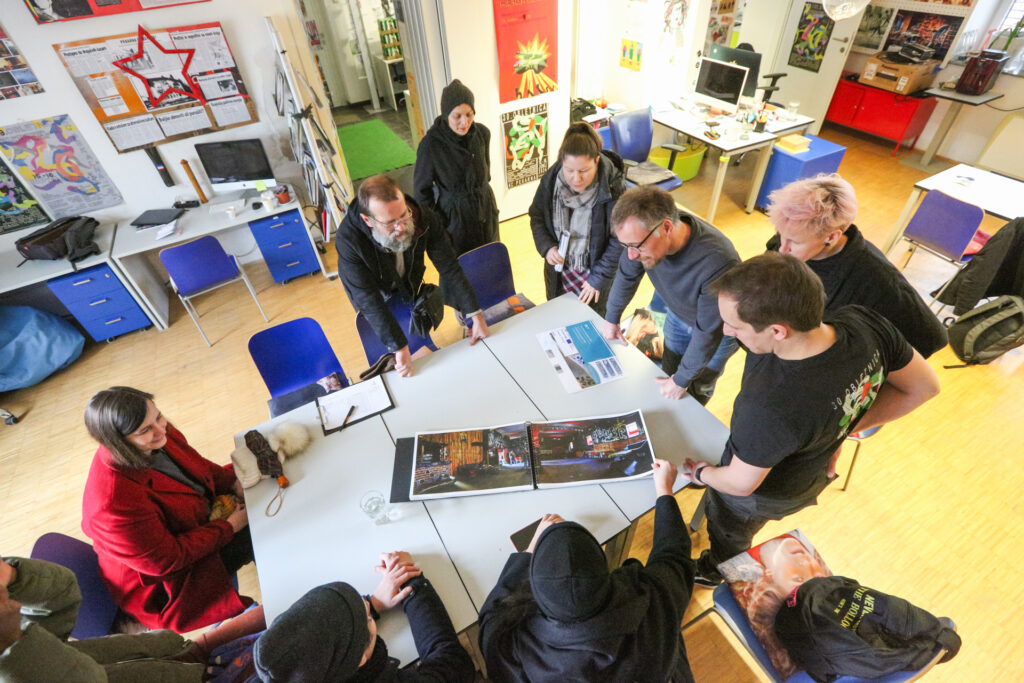
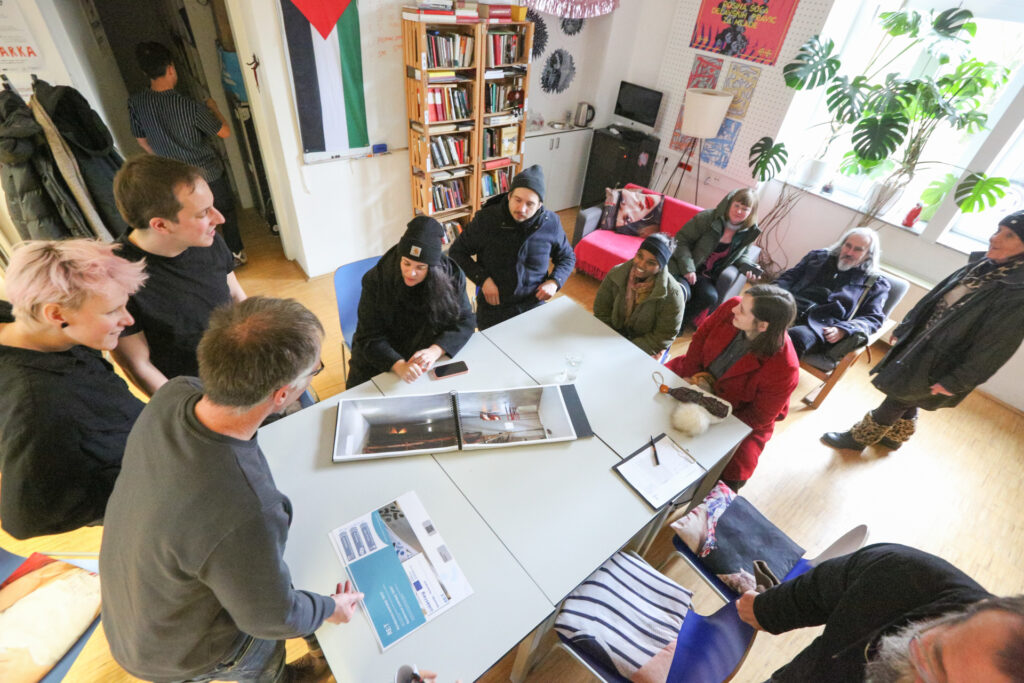
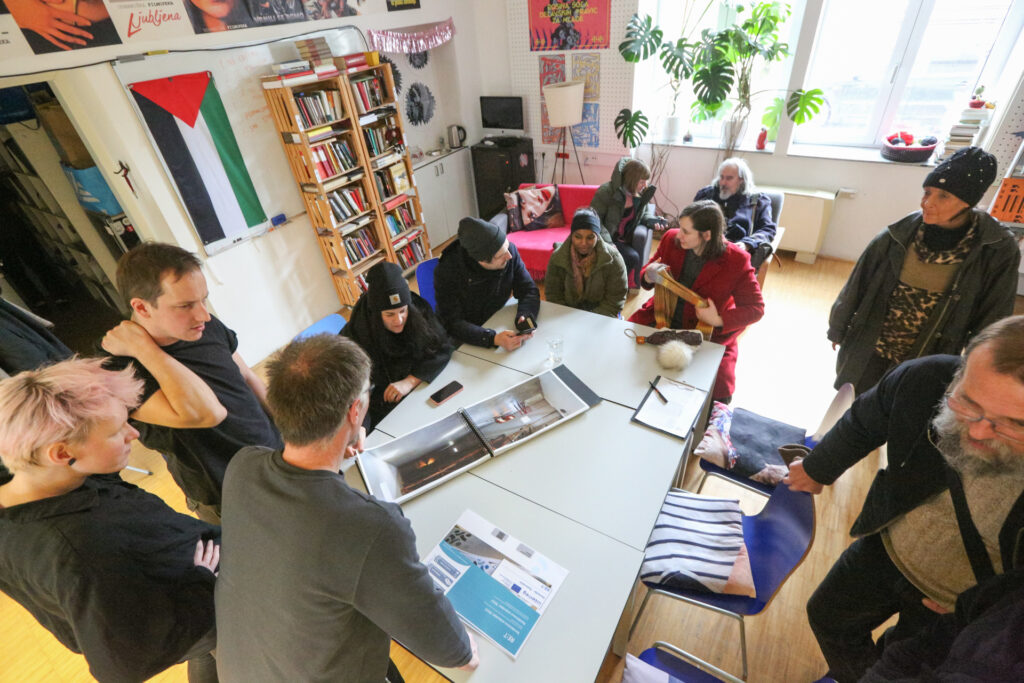
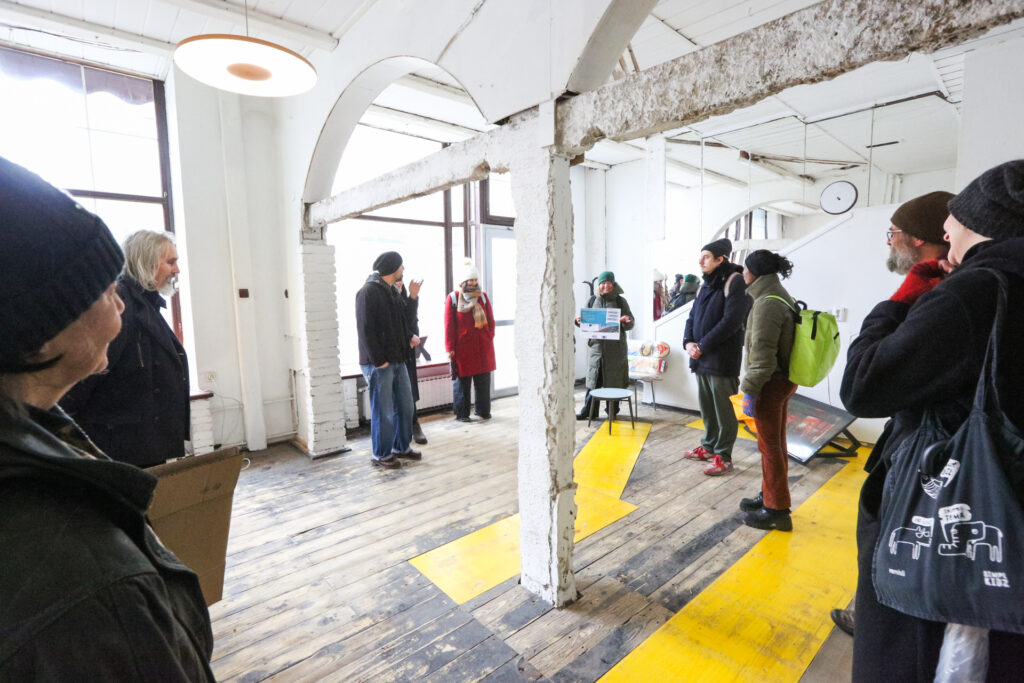
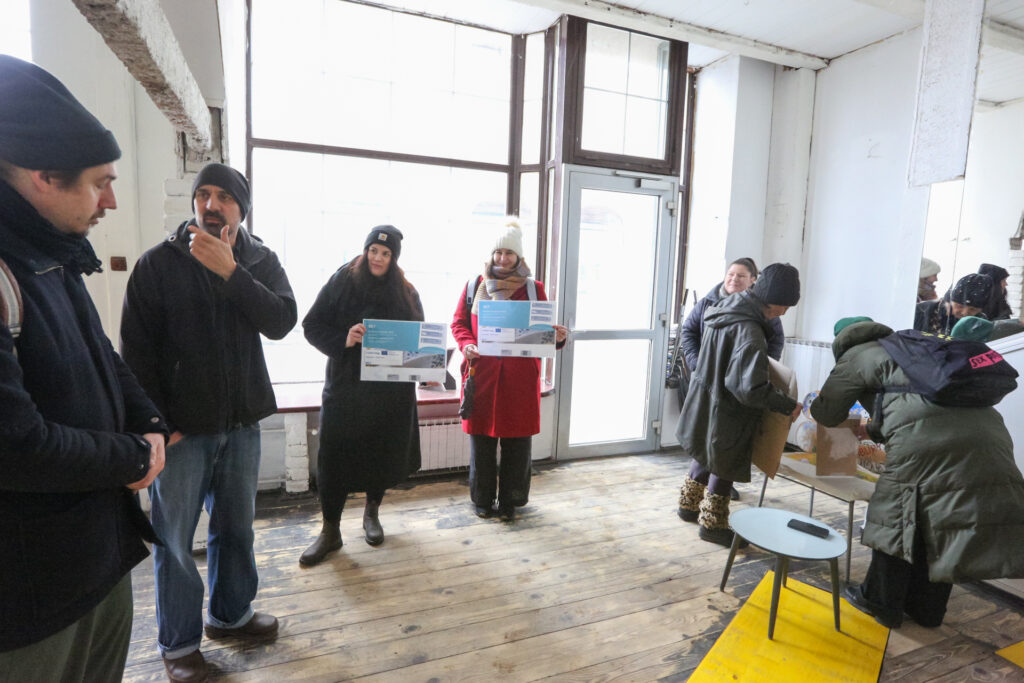
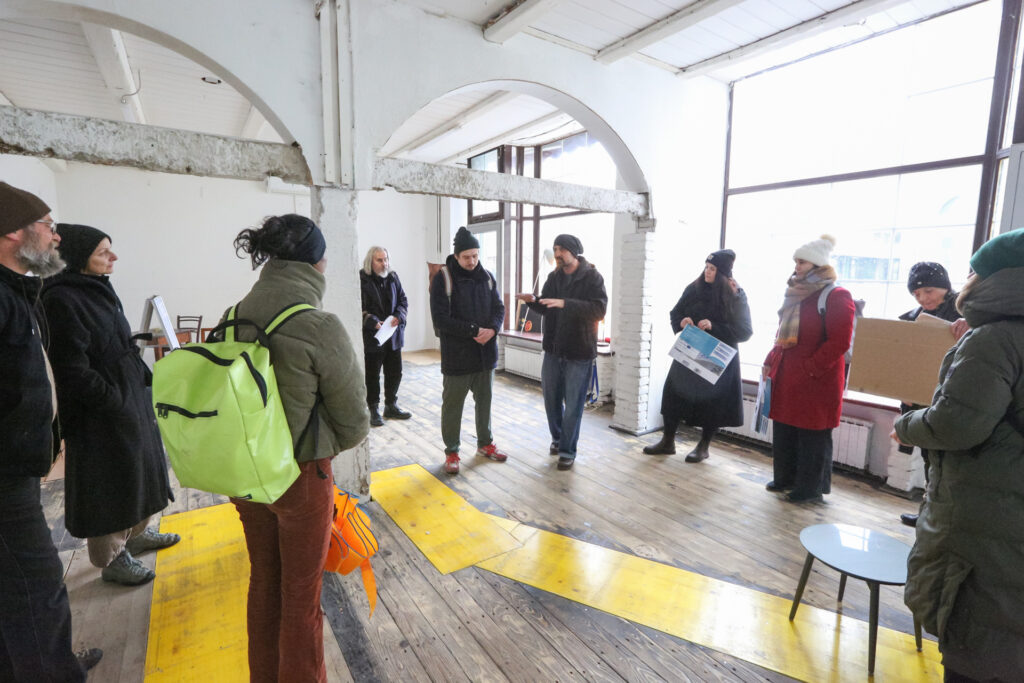
The day began at Gustaf Hall, where representatives of the partner organisations — including Schaumbad Graz and Naključje 7 — were welcomed by local hosts and members of the Pekarna community. The programme opened with short introductions of all partners, followed by presentations of the RE:T project framework and the artistic programmes currently in development. The atmosphere was open and collaborative, allowing for immediate exchange of ideas and reflections.
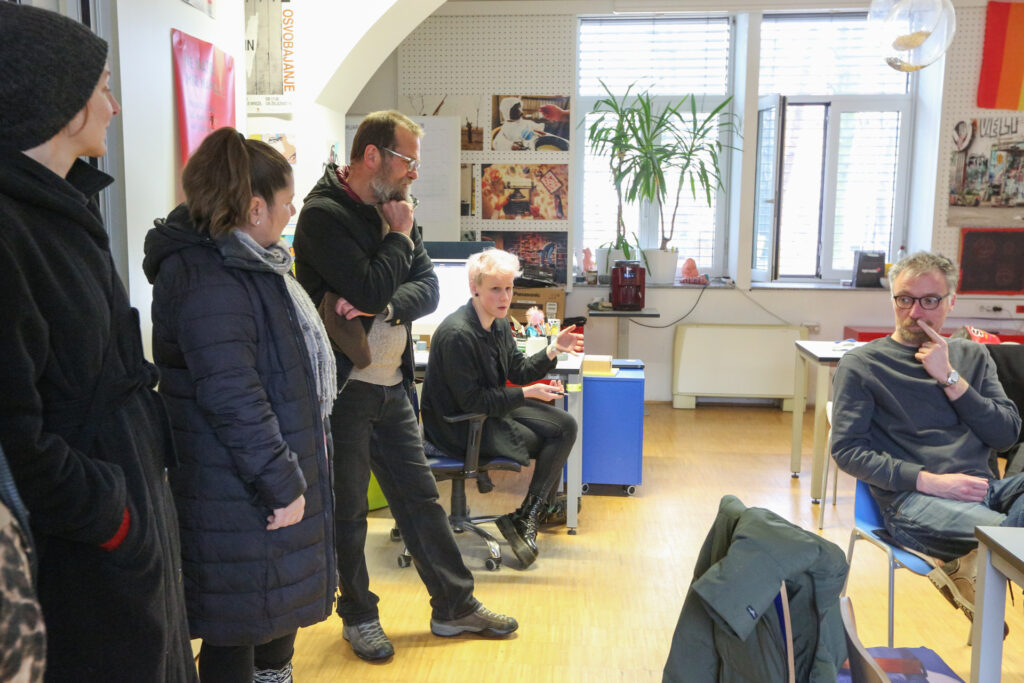
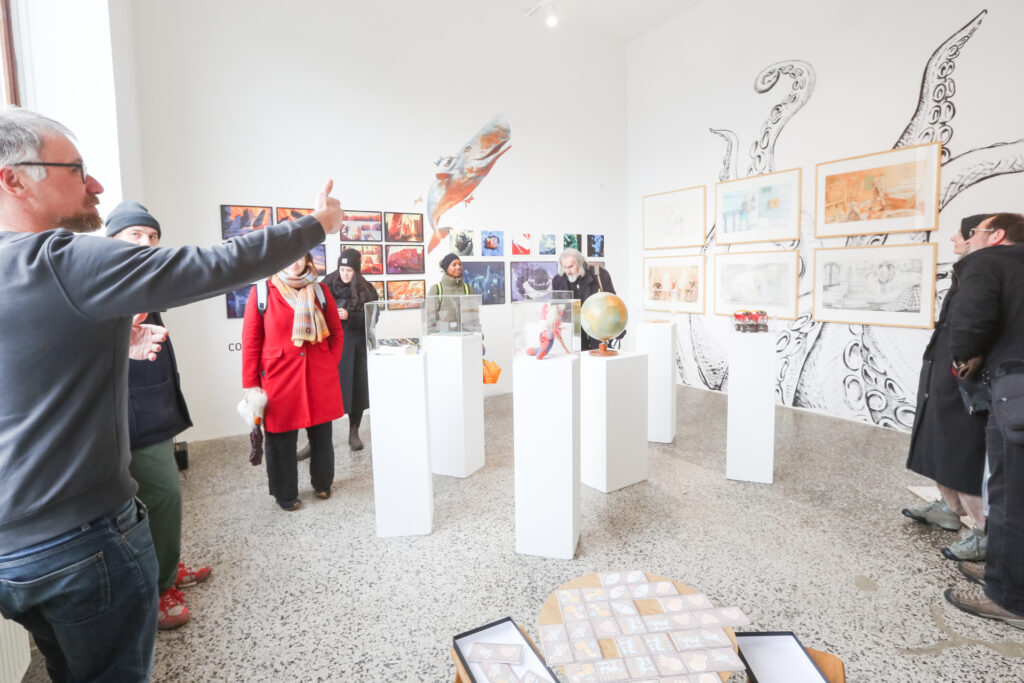
An important part of the programme was also a round table discussion featuring curators from Slovenia and Austria. During this session, the curators presented the participating artists and outlined the conceptual framework of the first joint exhibition within the RE:T project. The discussion addressed curatorial approaches, thematic connections, and the dialogue between the two artistic contexts, highlighting both shared points of departure and productive differences. The round table created space for professional exchange and critical reflection, setting a clear foundation for the forthcoming exhibition collaboration.
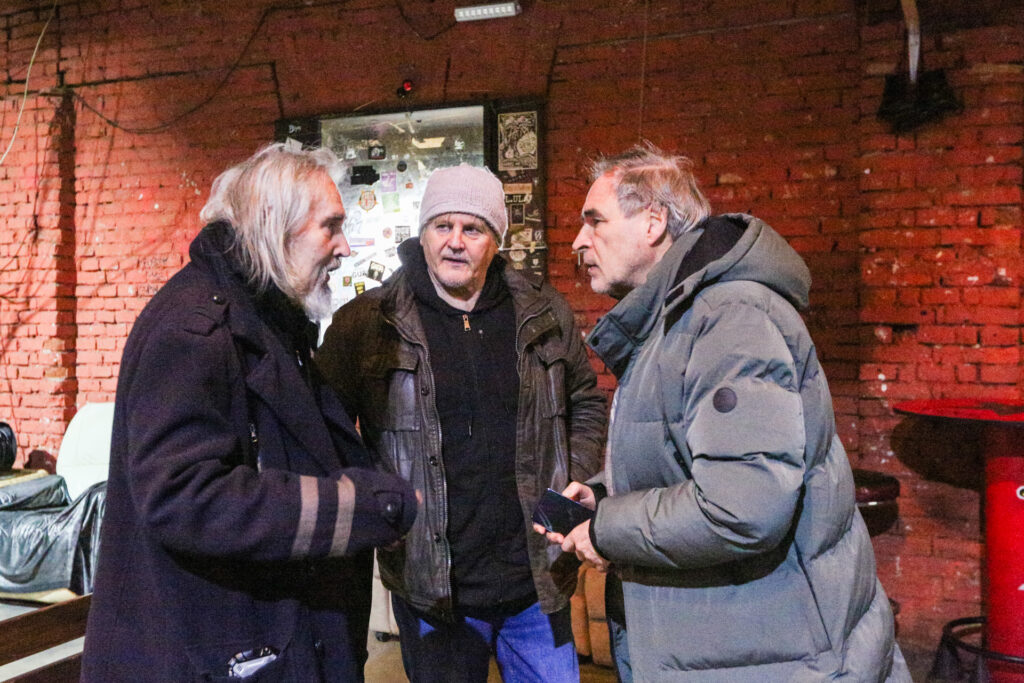
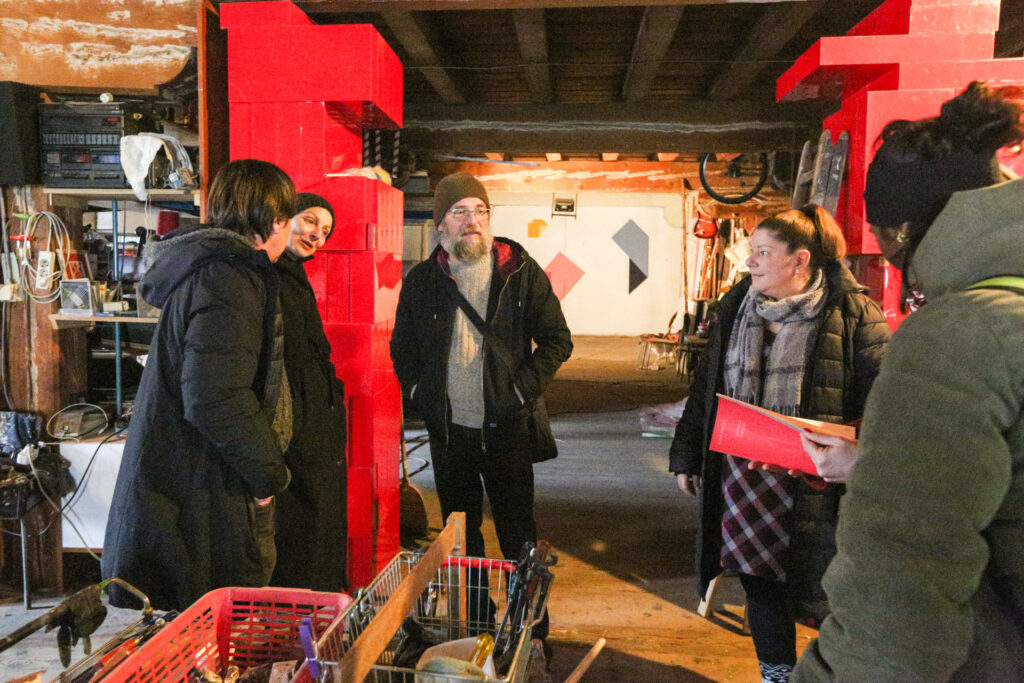
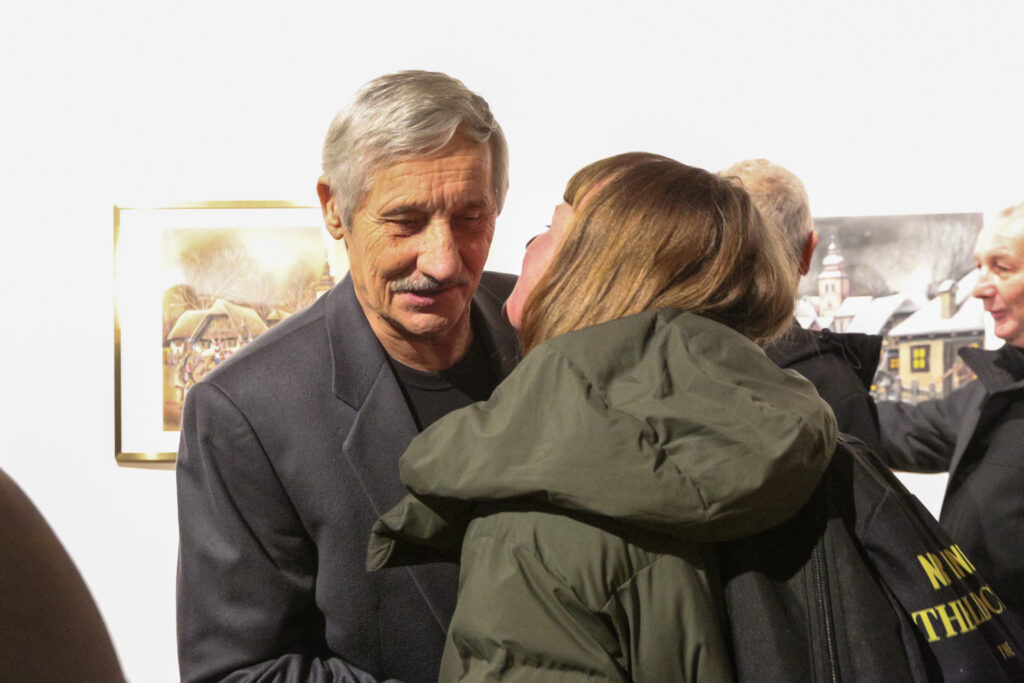
Our hosts at Pekarna provided valuable insight into the centre’s history and organisational structure, drawing on the detailed guide prepared for its 20th anniversary. The discussion was enriched by the presence of Ciko, president of the AGD Gustaf Association, alongside local artists and cultural workers who actively shape the independent art scene in Maribor. Among them was Vinko Ficko, noise artist and performer, who will participate in the closing event of the project on 30 May in Maribor — an occasion for which collaboration with an Austrian video artist or performer is envisaged.
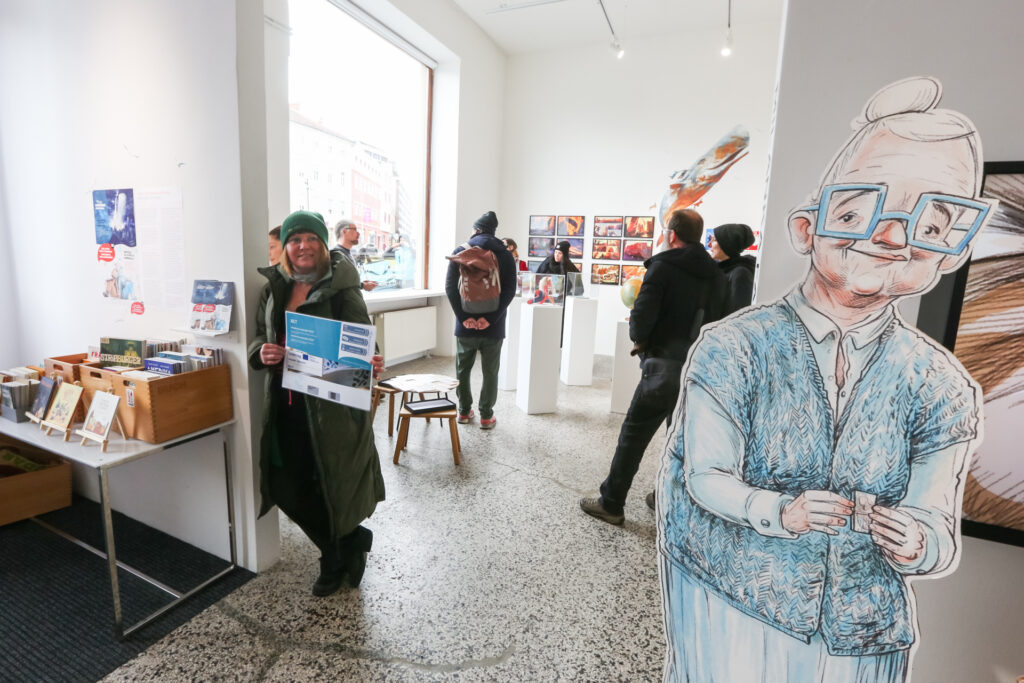
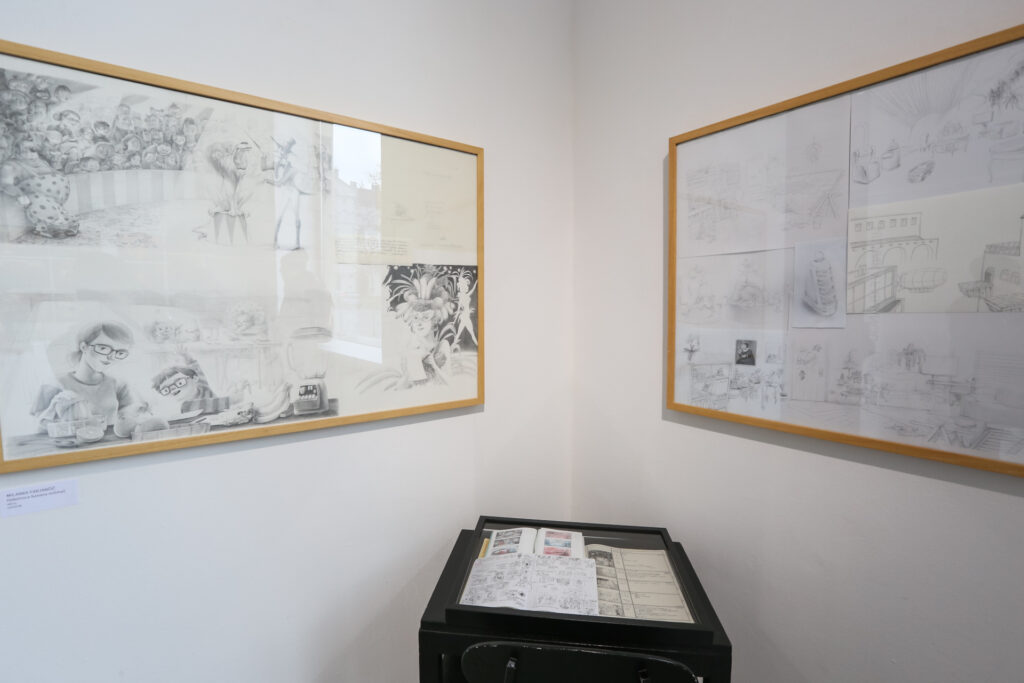
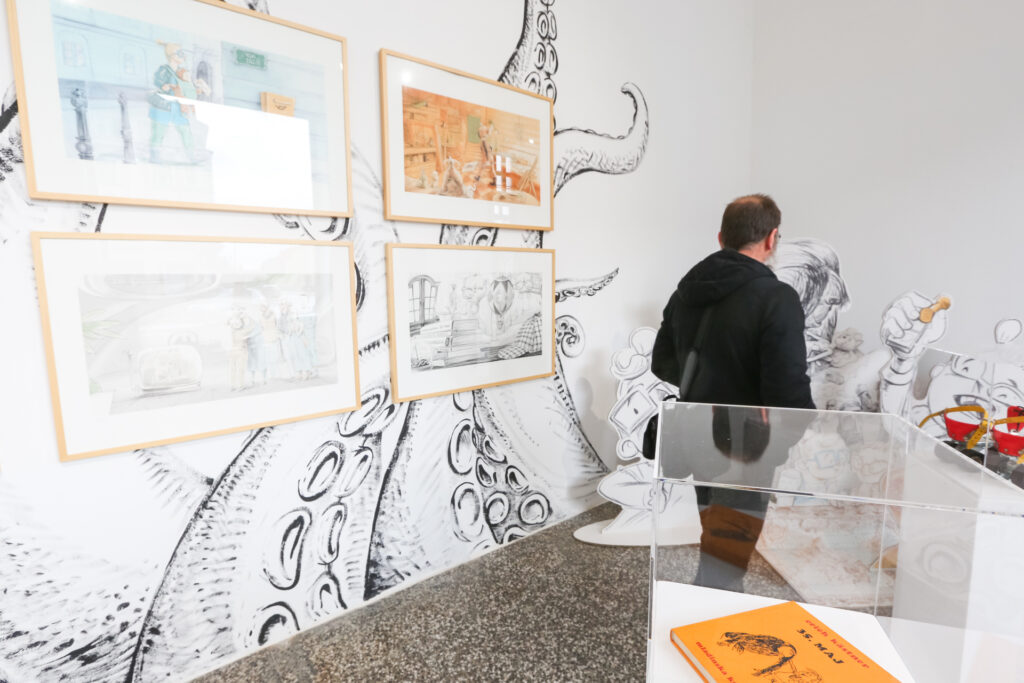
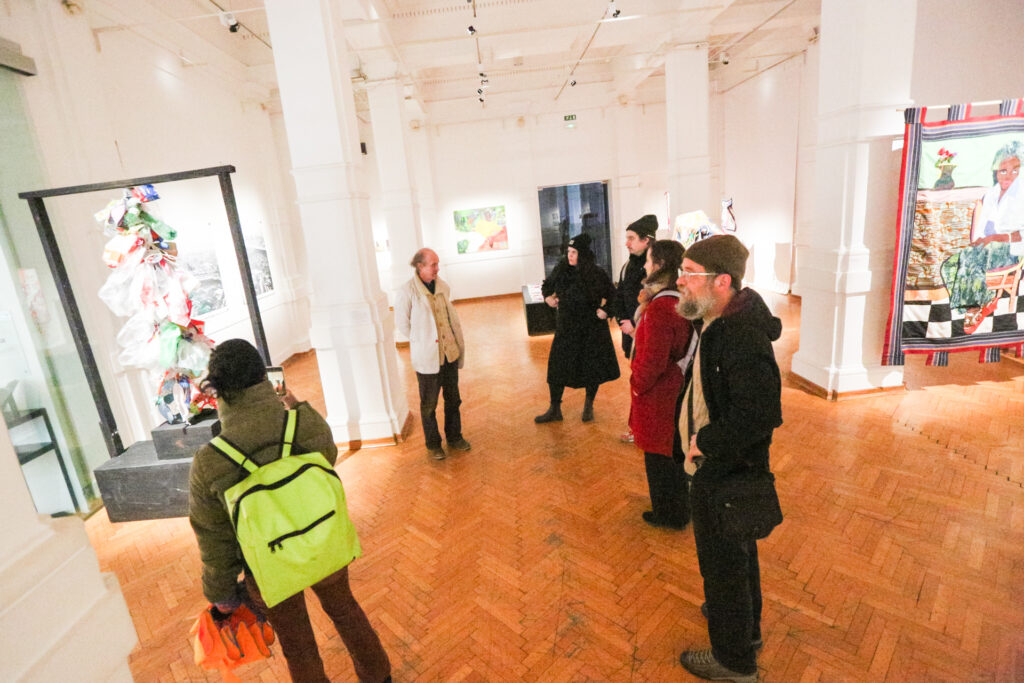
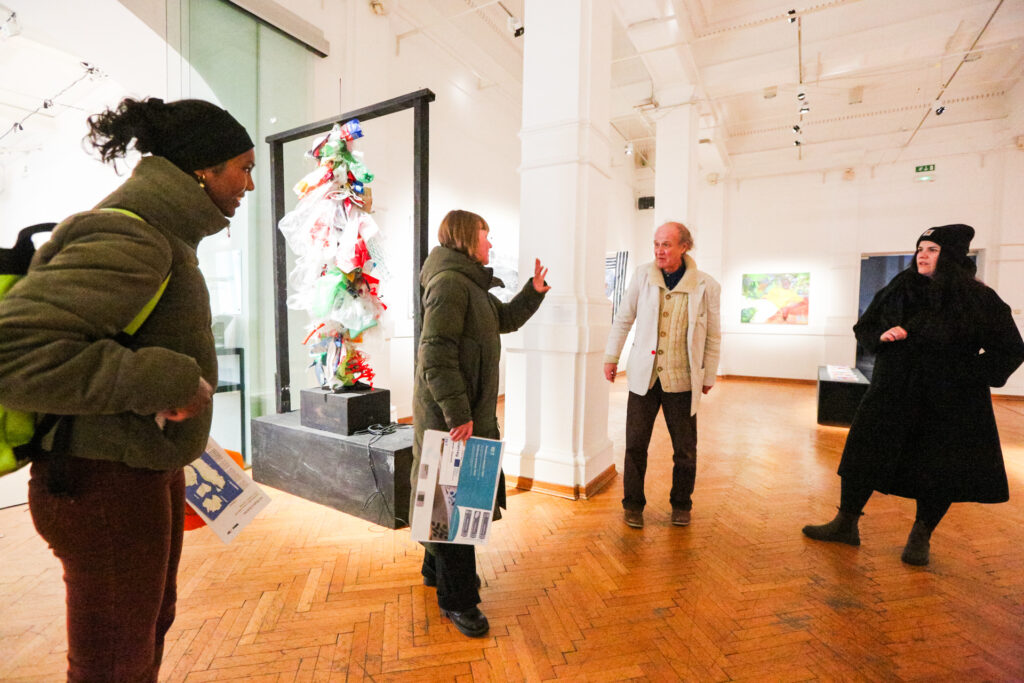
The visit continued with a guided tour of Galerija Hladilnica, an exhibition space known for its flexible technical setup and experimental curatorial approach. Participants were introduced to its production conditions, spatial capacities, and curatorial focus, opening discussions about future exhibition possibilities within the RE:T framework.
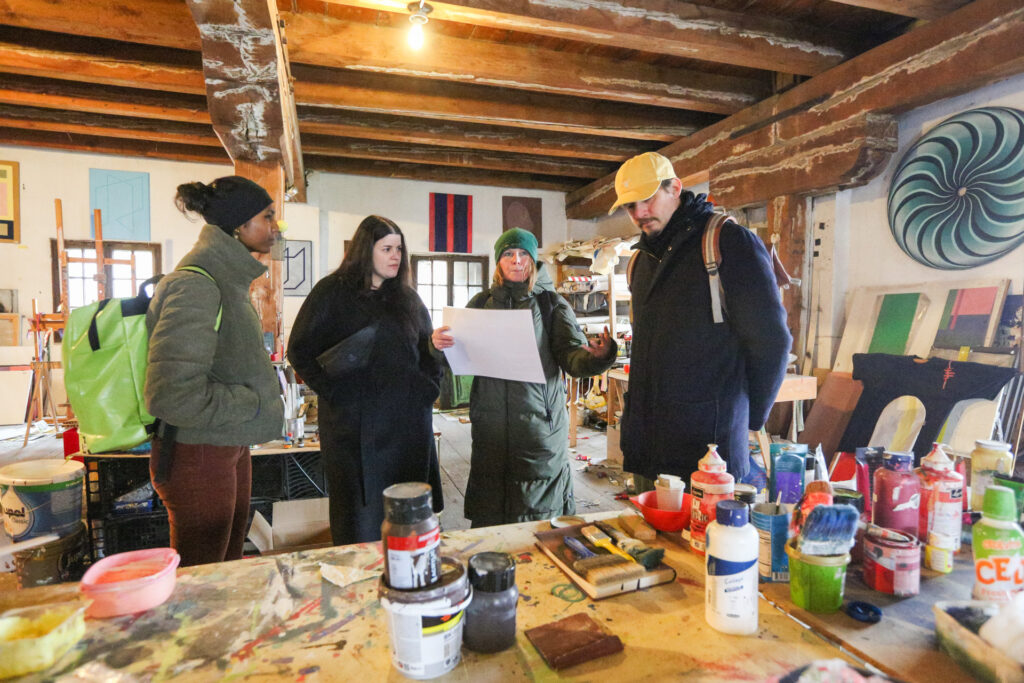
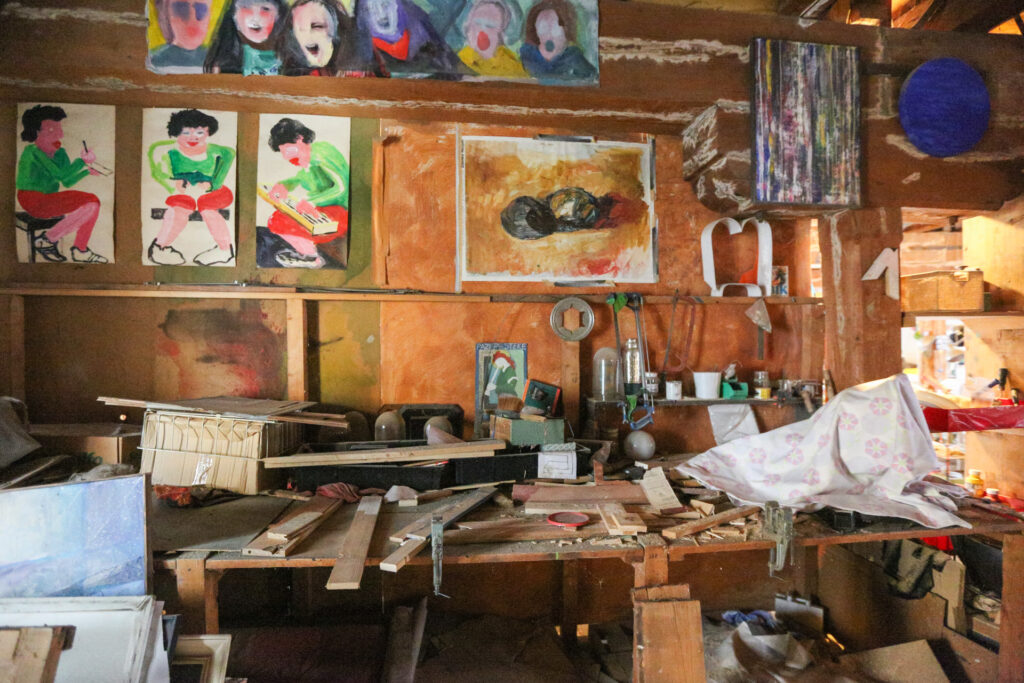
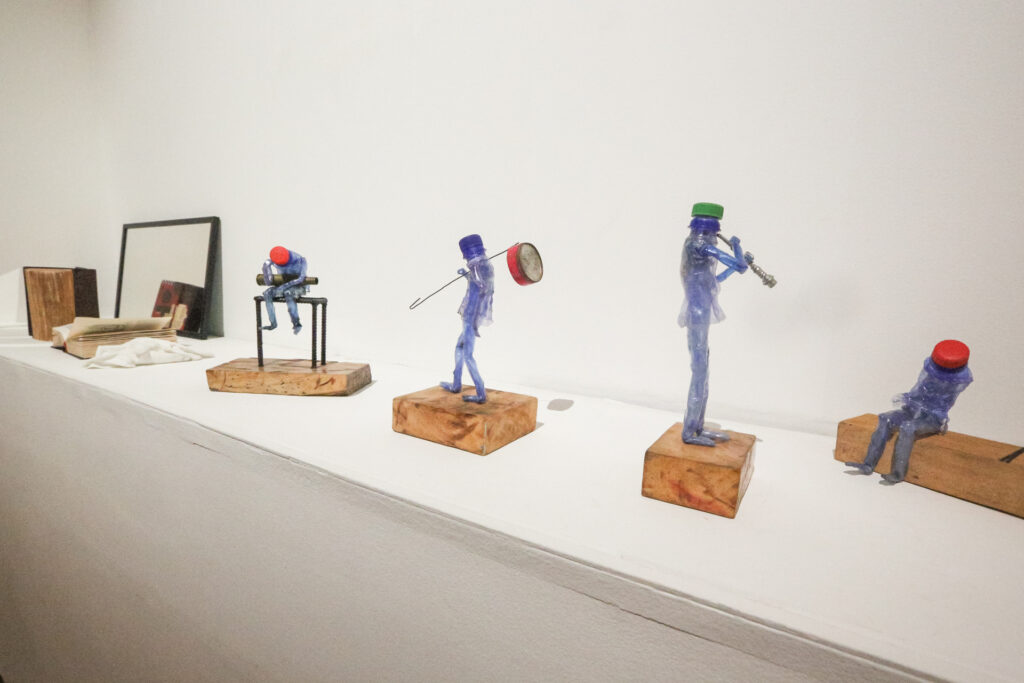
A studio visit to Borut Popenko (Pingo) followed, offering insight into individual artistic practice within the Pekarna ecosystem. The exchange highlighted the importance of artist-led spaces and the role of long-term engagement in sustaining independent cultural production.
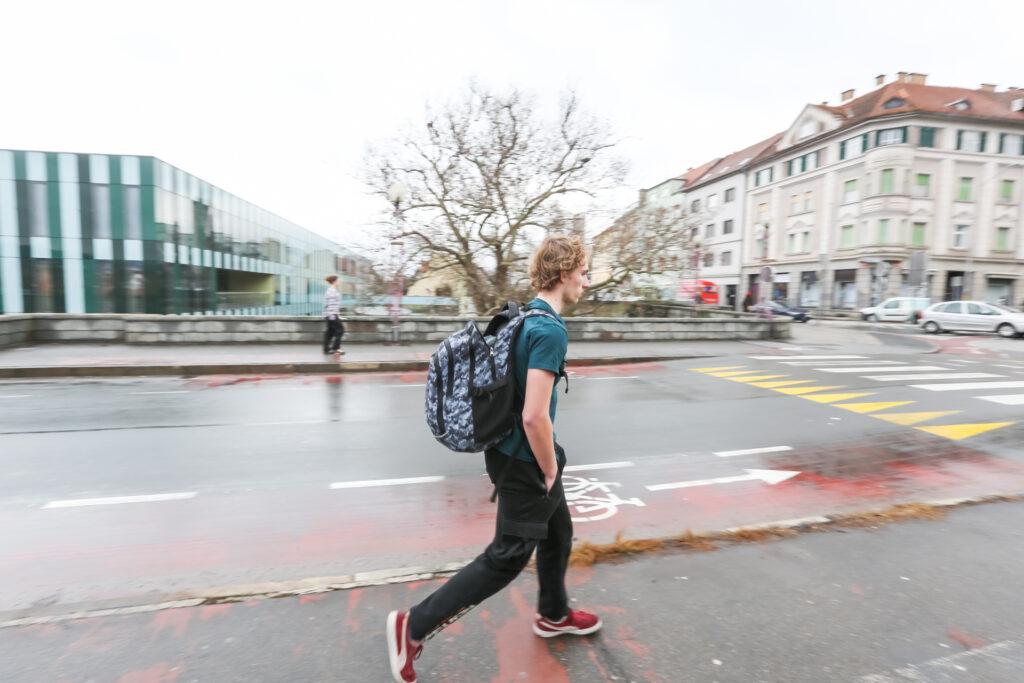
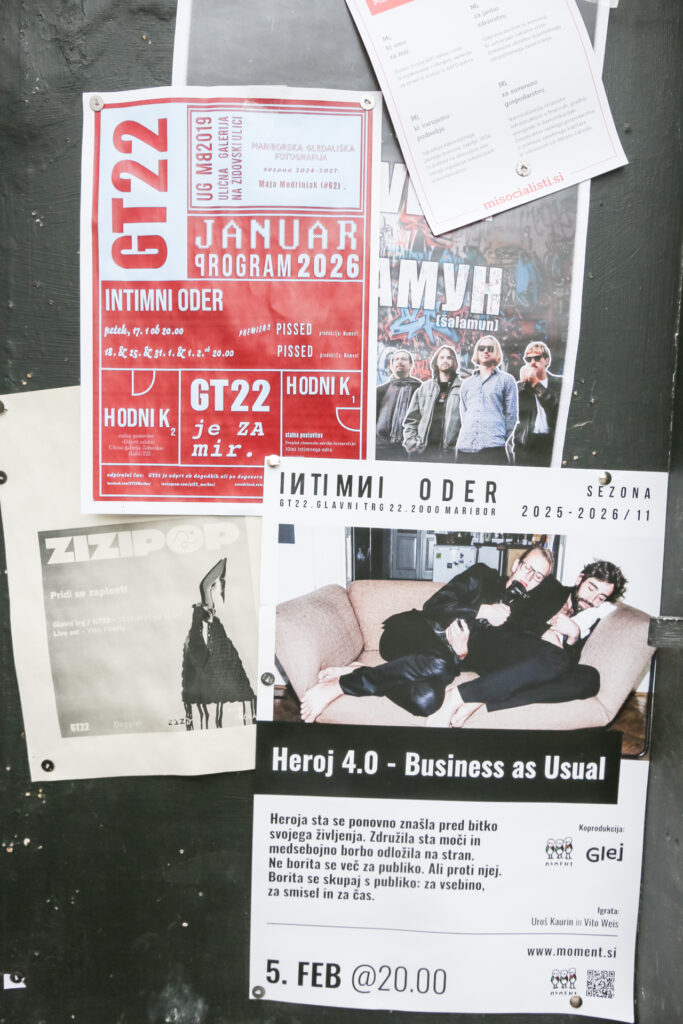
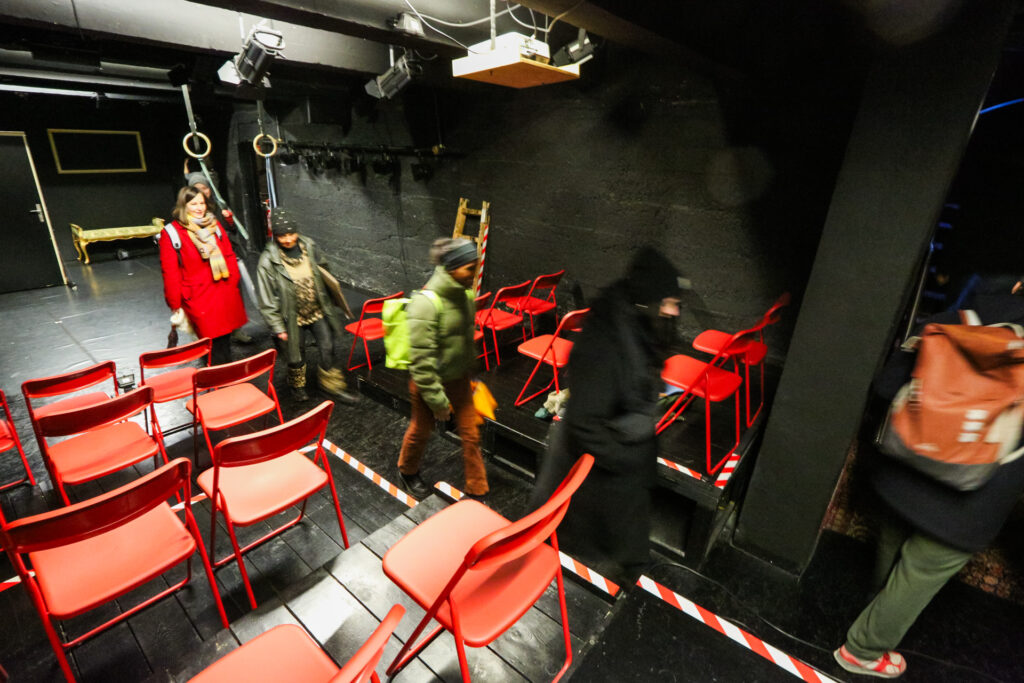
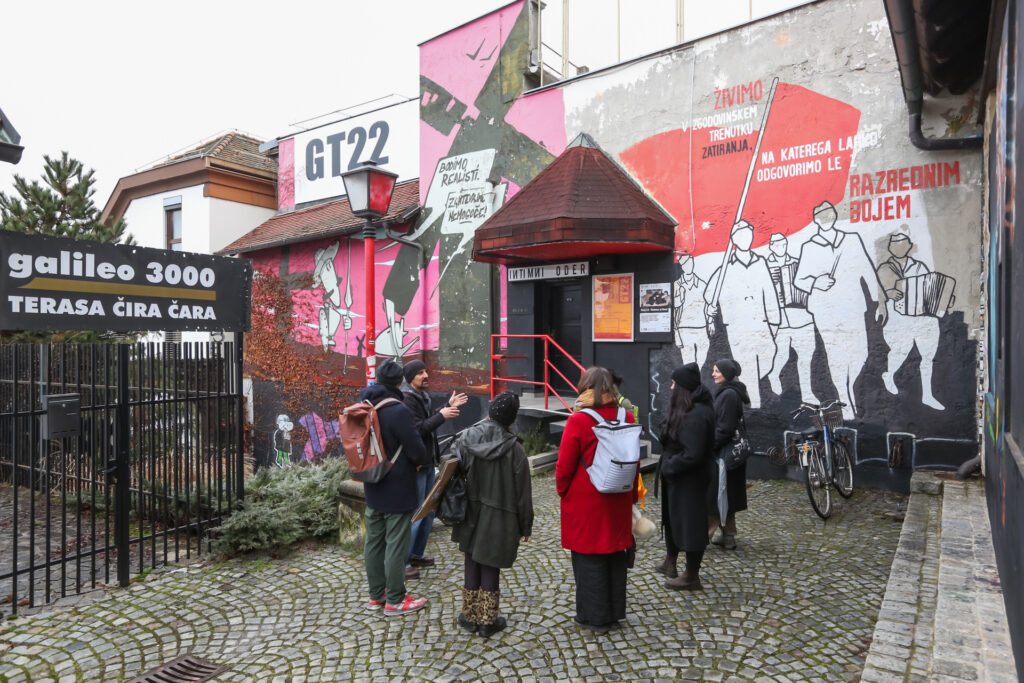
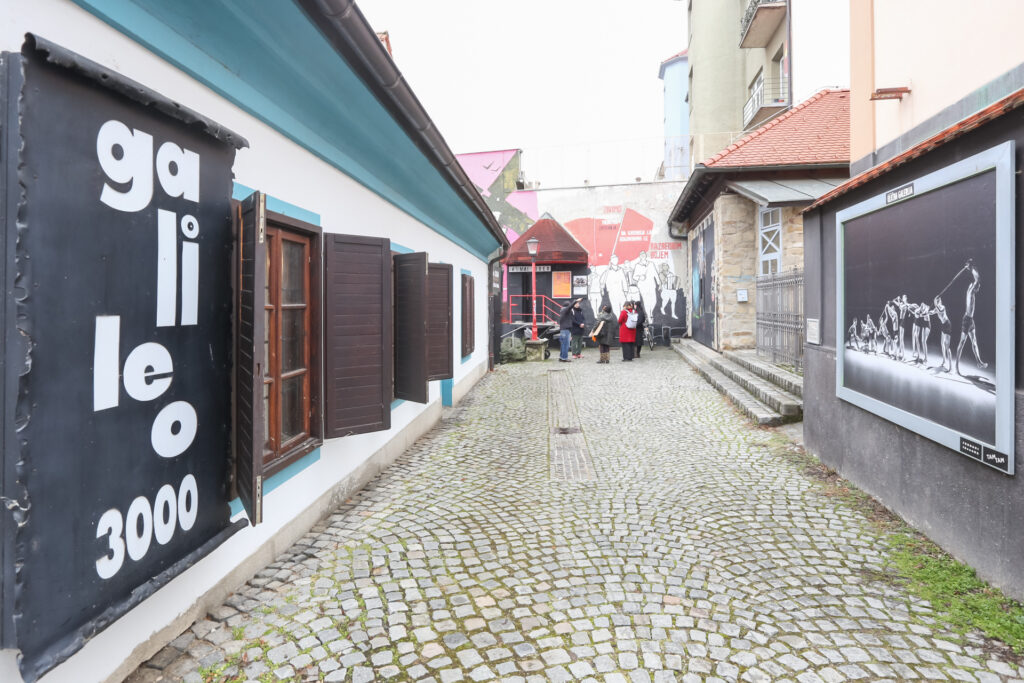
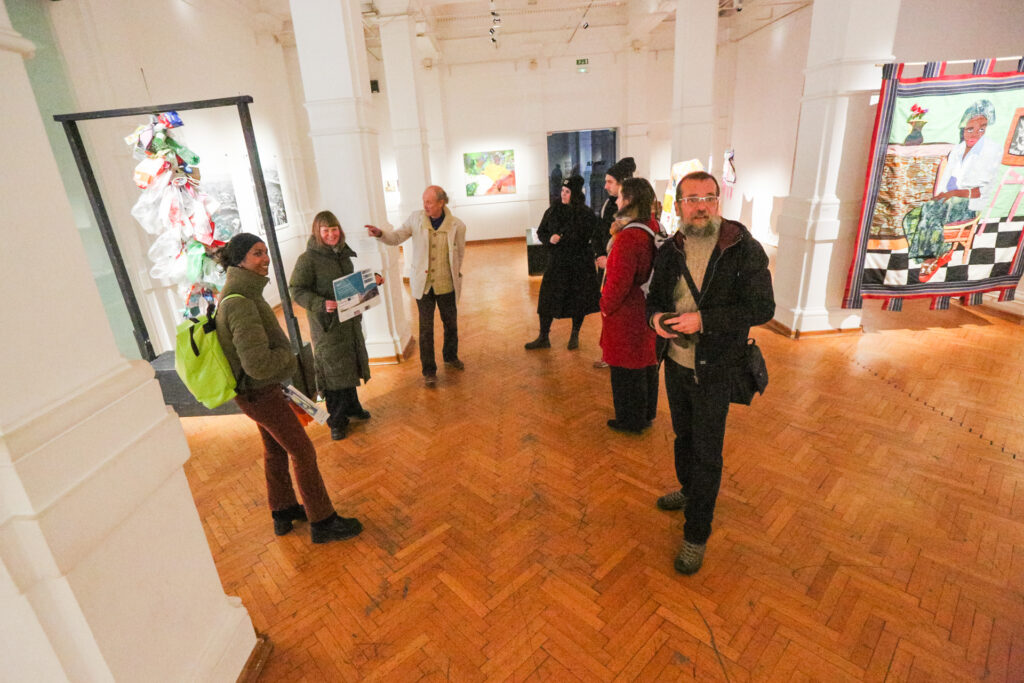
In the early afternoon, partners embarked on a relaxed city walk dedicated to Maribor’s non-commercial exhibition spaces. The first stop was GT22, presented by Miha Horvat, a multidisciplinary venue combining exhibition space, intimate stage, and production environment. The visit illustrated a hybrid model of cultural work, where visual art, performance, and community initiatives intersect.
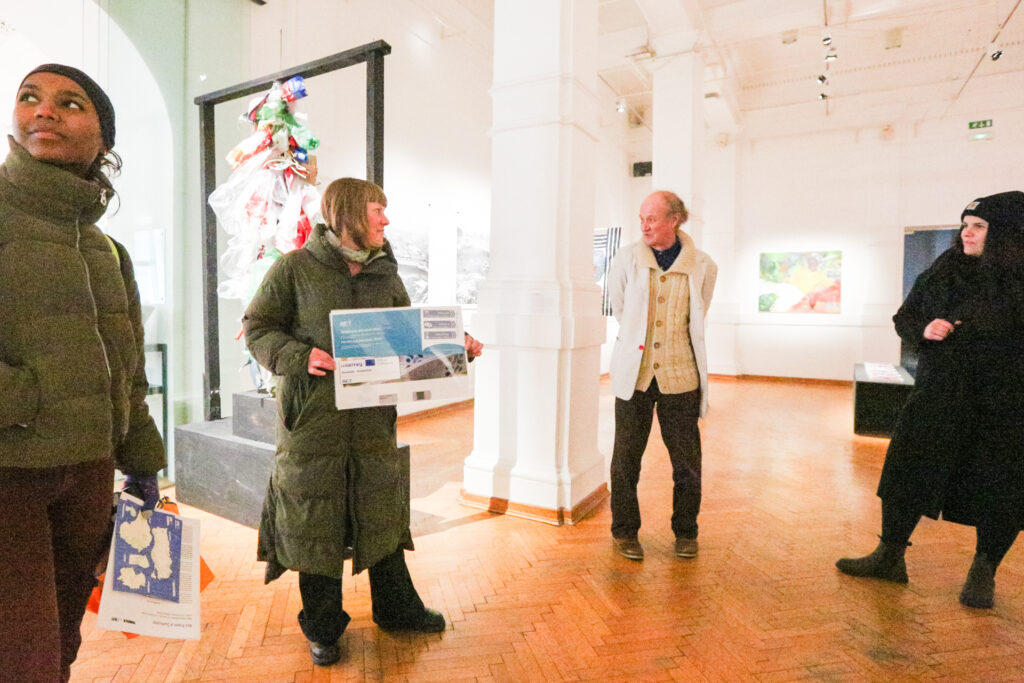
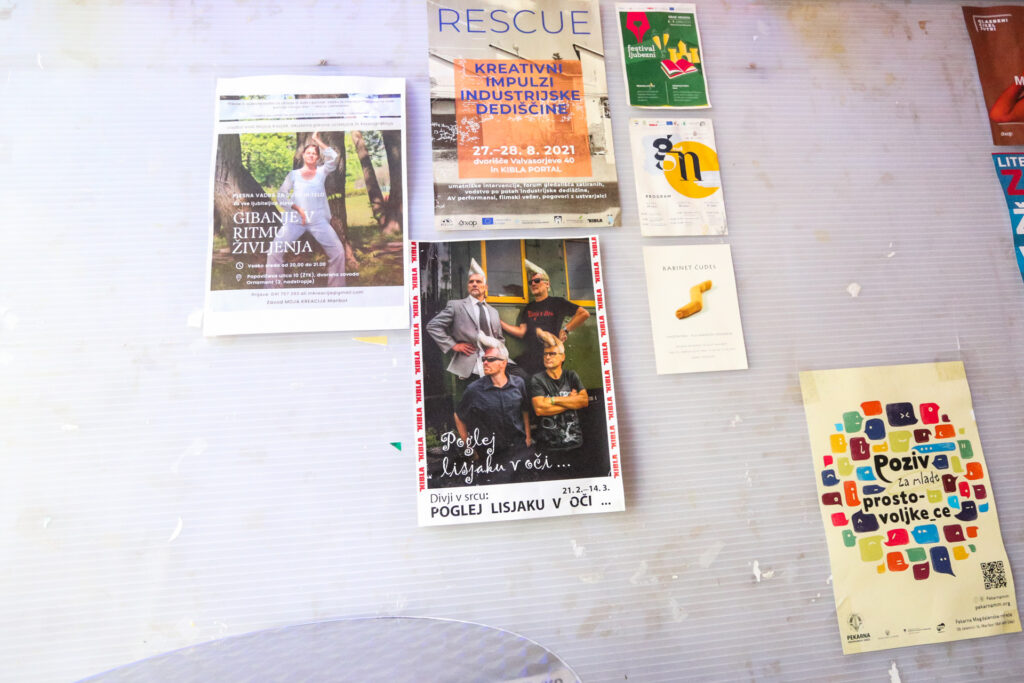
The group then continued to Kibla, one of Slovenia’s most internationally connected multimedia art centres. Director Peter Tomaž Dobrila introduced Kibla’s curatorial strategy, digital and interdisciplinary orientation, and its experience with European cooperation projects — an especially relevant perspective for the RE:T consortium.
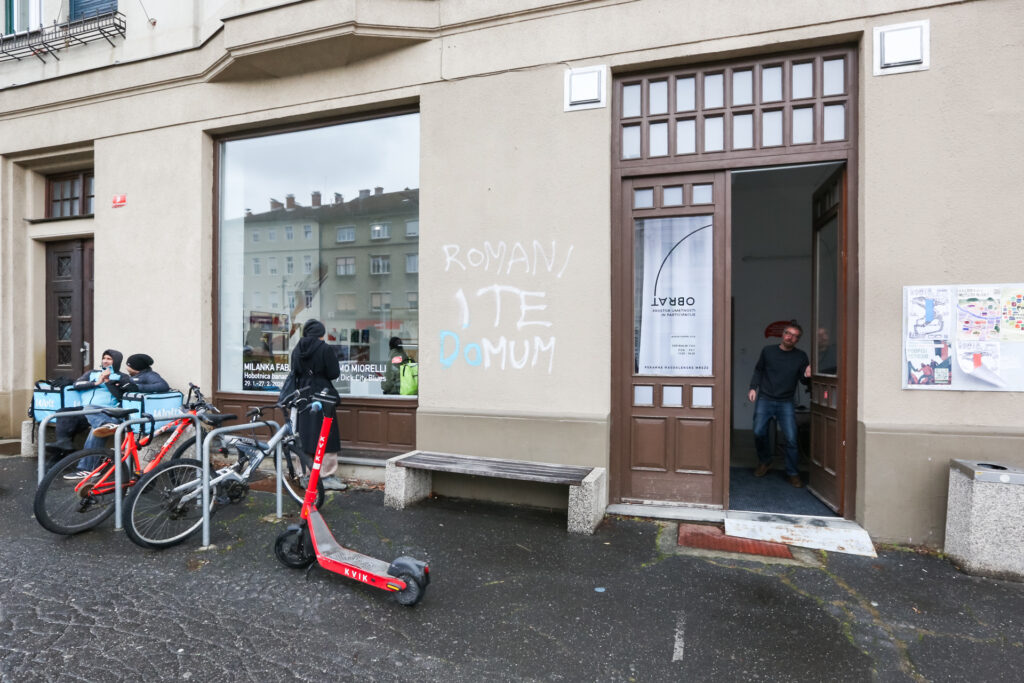
The walk also included a presentation of Infopeka – Youth Information Centre – and the Obrat exhibition space of the Pekarna Magdalena Network Institute, located near the old bridge. The programme team (Filip, Simon, and Kaja) shared their approach to socially engaged art, youth empowerment, and community-based cultural production, further expanding the thematic framework of the visit.
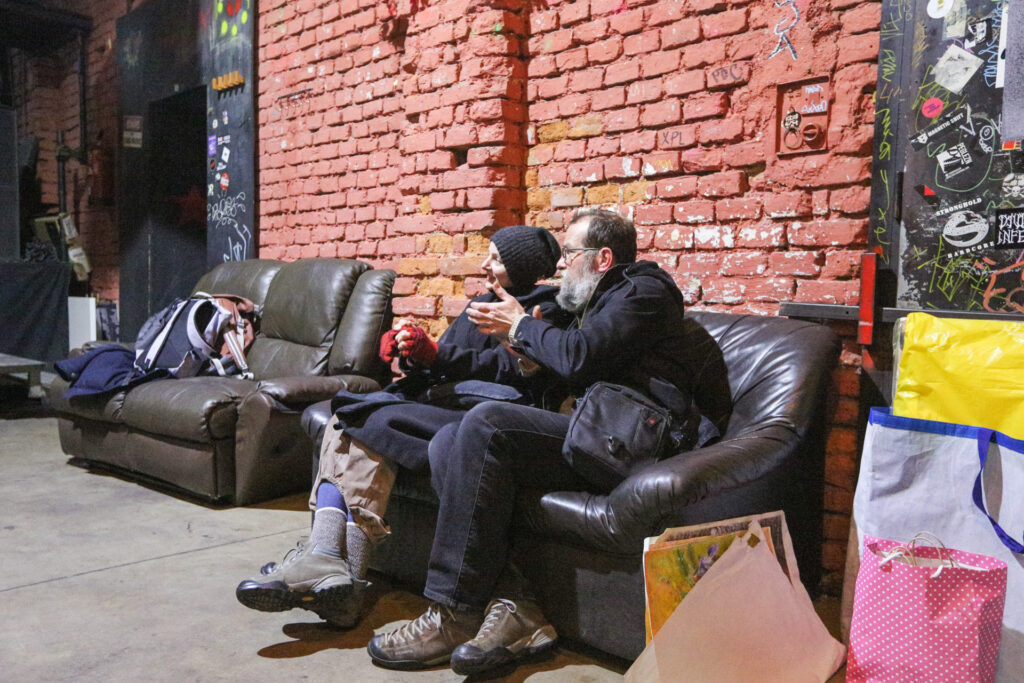
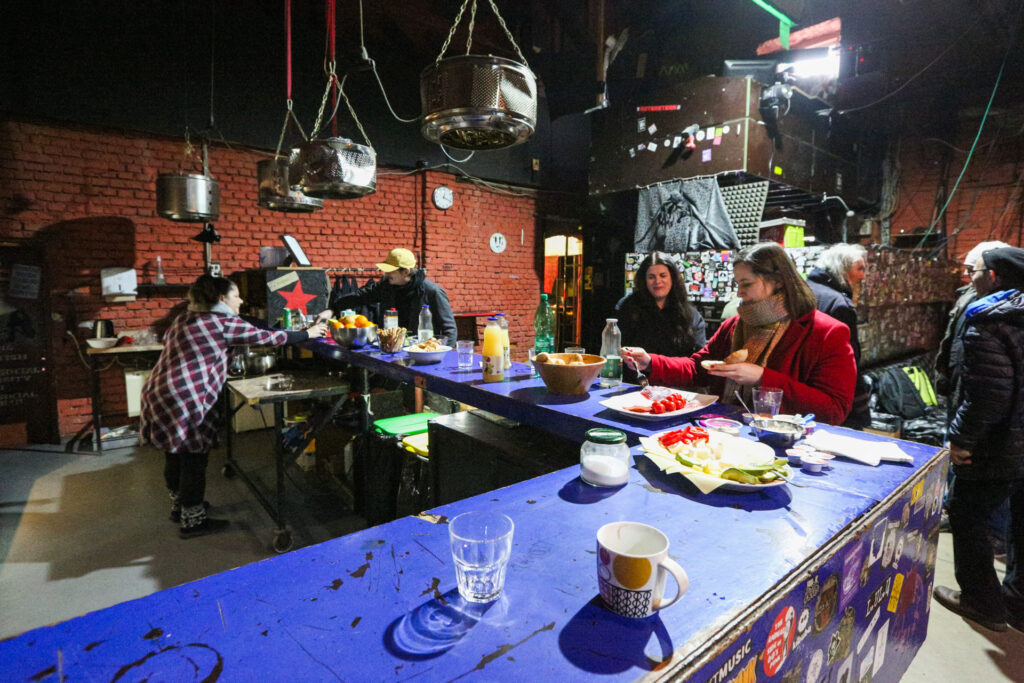
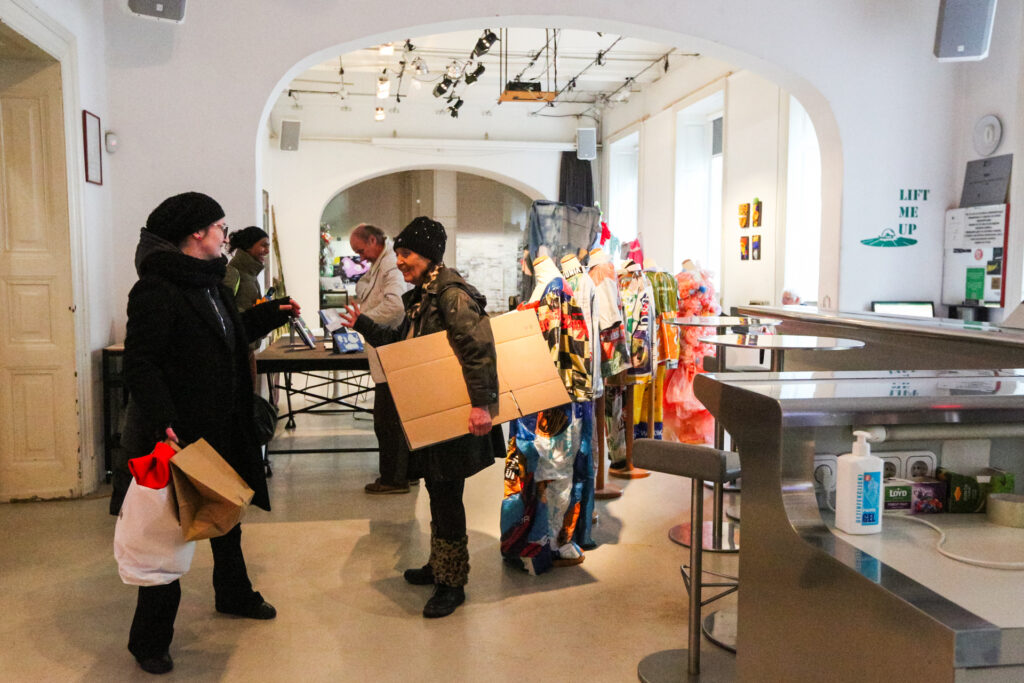
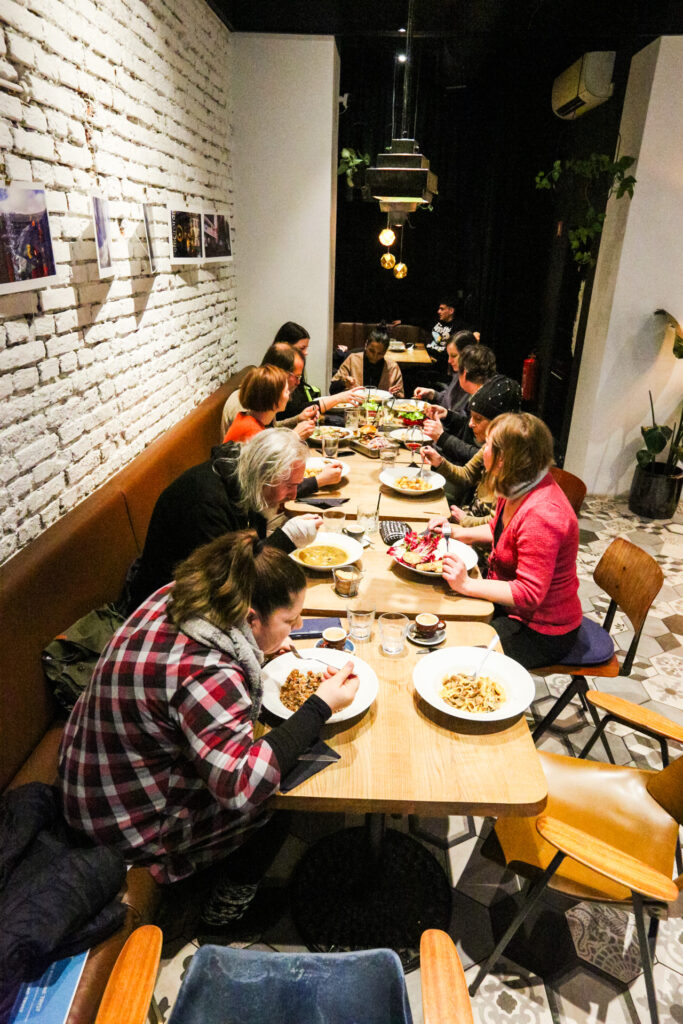
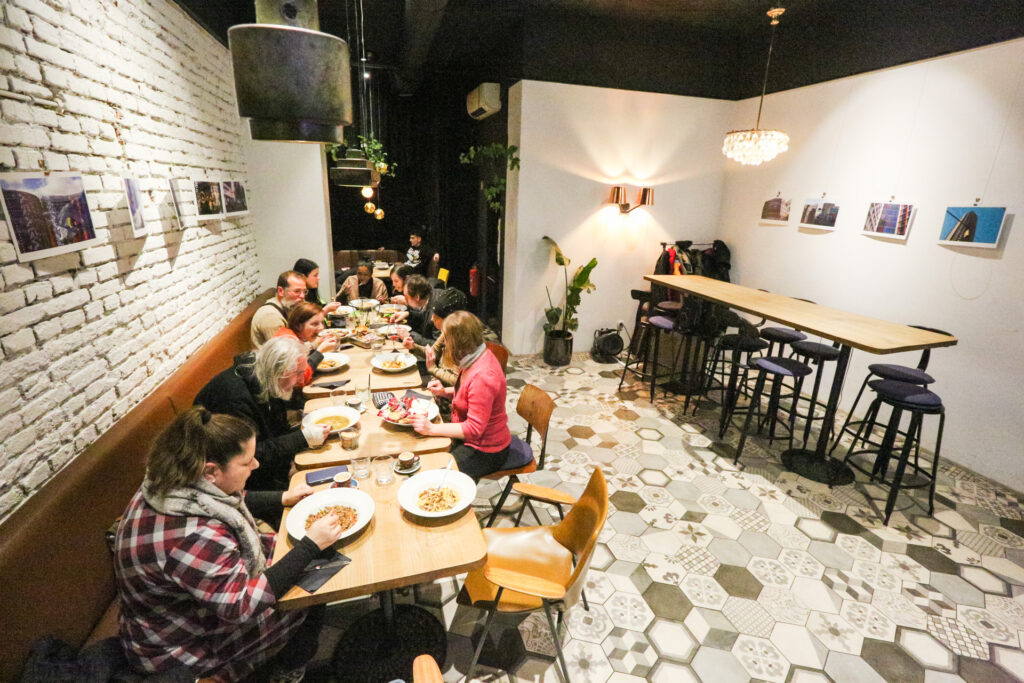
The day concluded back at Pekarna with a shared reflection session and informal networking. Discussions continued in an open format, focusing on potential collaborations, artistic exchange, and the practical next steps of the RE:T project. The flexible structure of the programme allowed space for spontaneous conversations and deeper engagement between partners.
The visit reaffirmed the importance of cross-border collaboration, peer learning, and direct experience of local cultural ecosystems. By moving through different spaces — from independent grassroots initiatives to internationally recognised multimedia centres — partners gained a comprehensive understanding of Maribor’s dynamic contemporary art scene.
We sincerely thank all hosts, artists, and collaborators for their generosity, insight, and inspiring discussions. We look forward to continuing the exchange and to further developing the RE:T project together.
















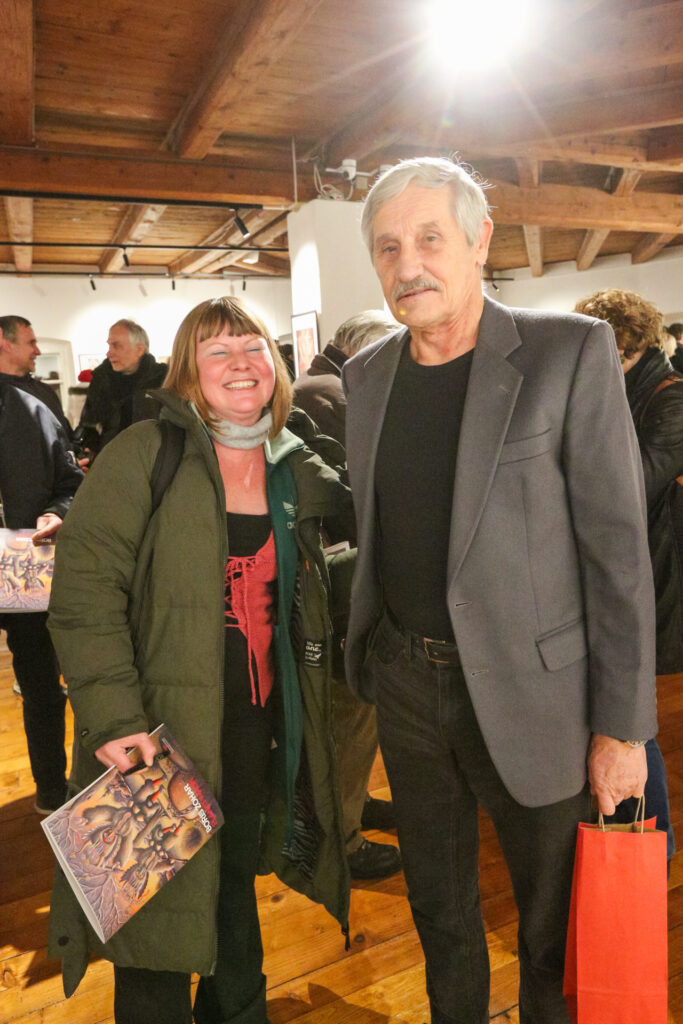
Photos: Boris B. Voglar